YAML — How It Works and When to Use It Over JSON
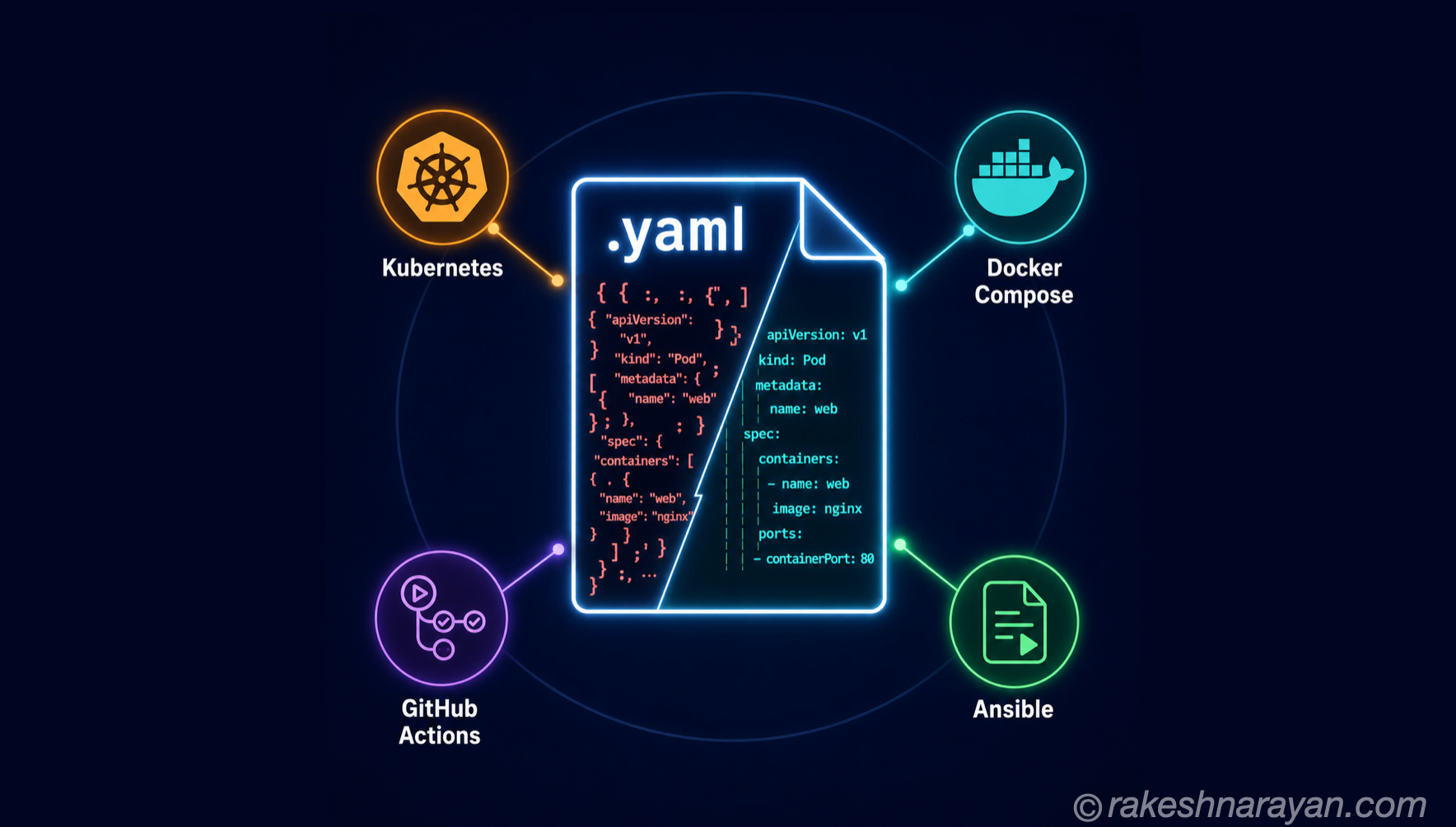
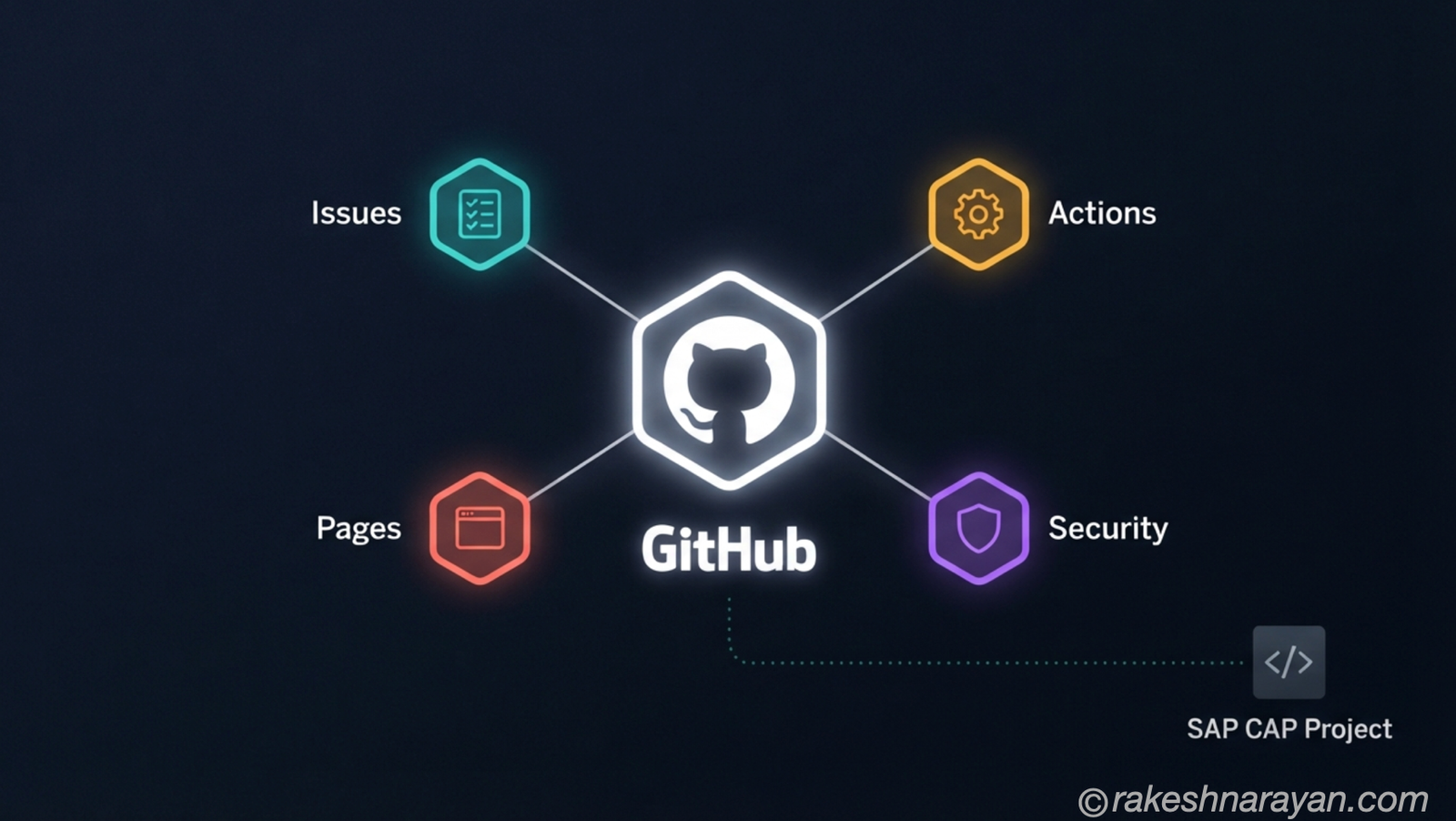
YAML is the dominant format for config files — Kubernetes, Docker Compose, GitHub Actions and more. This post explains how YAML works and when to choose it over JSON.
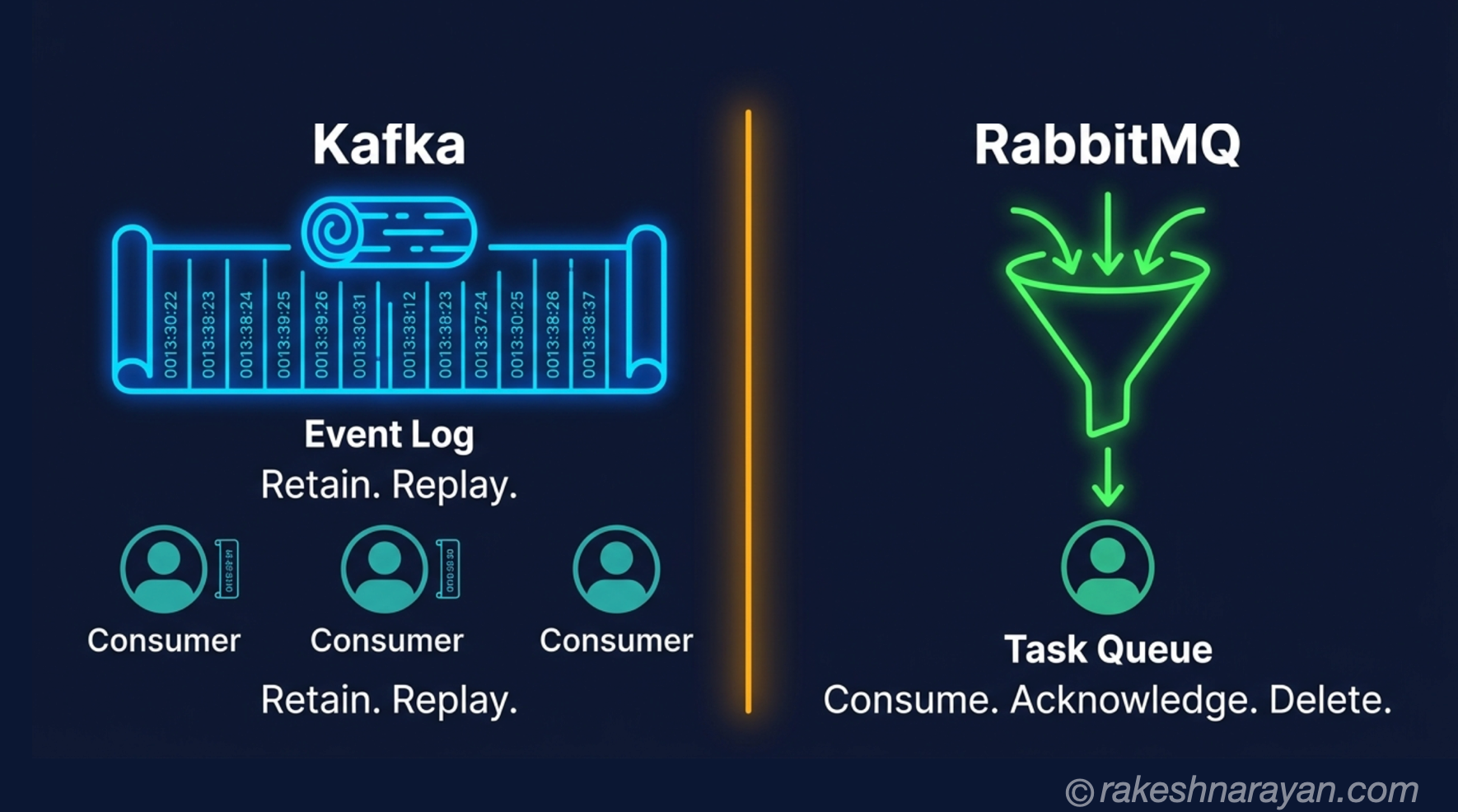
Kafka and RabbitMQ solve different problems. This post breaks down the log vs queue mental model, shows when each tool wins, and gives you an opinionated decision guide.
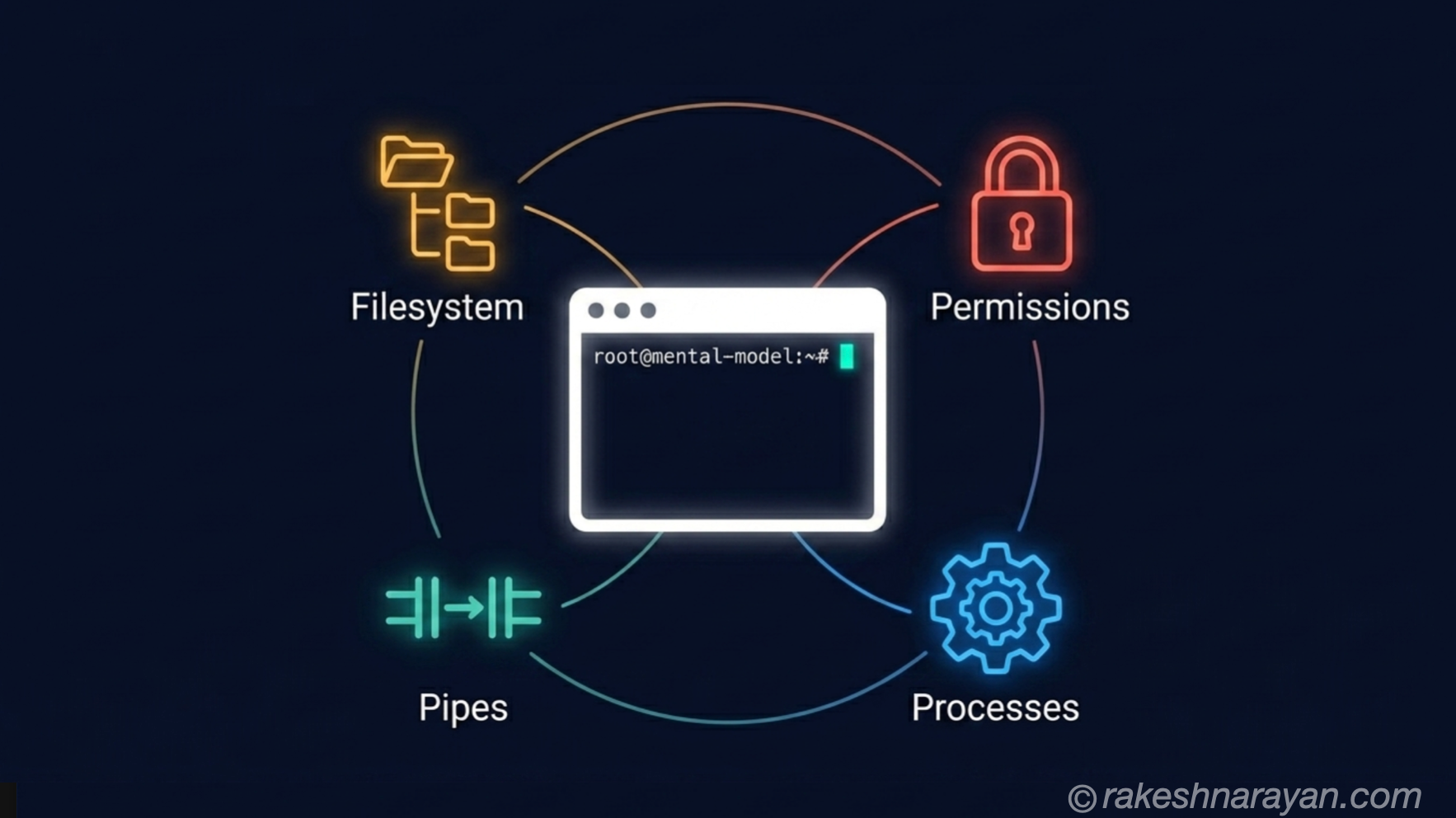
The terminal feels like a black box until the mental model clicks. This post explains the Linux filesystem, shell, permissions, pipes and processes — no cheatsheet needed.
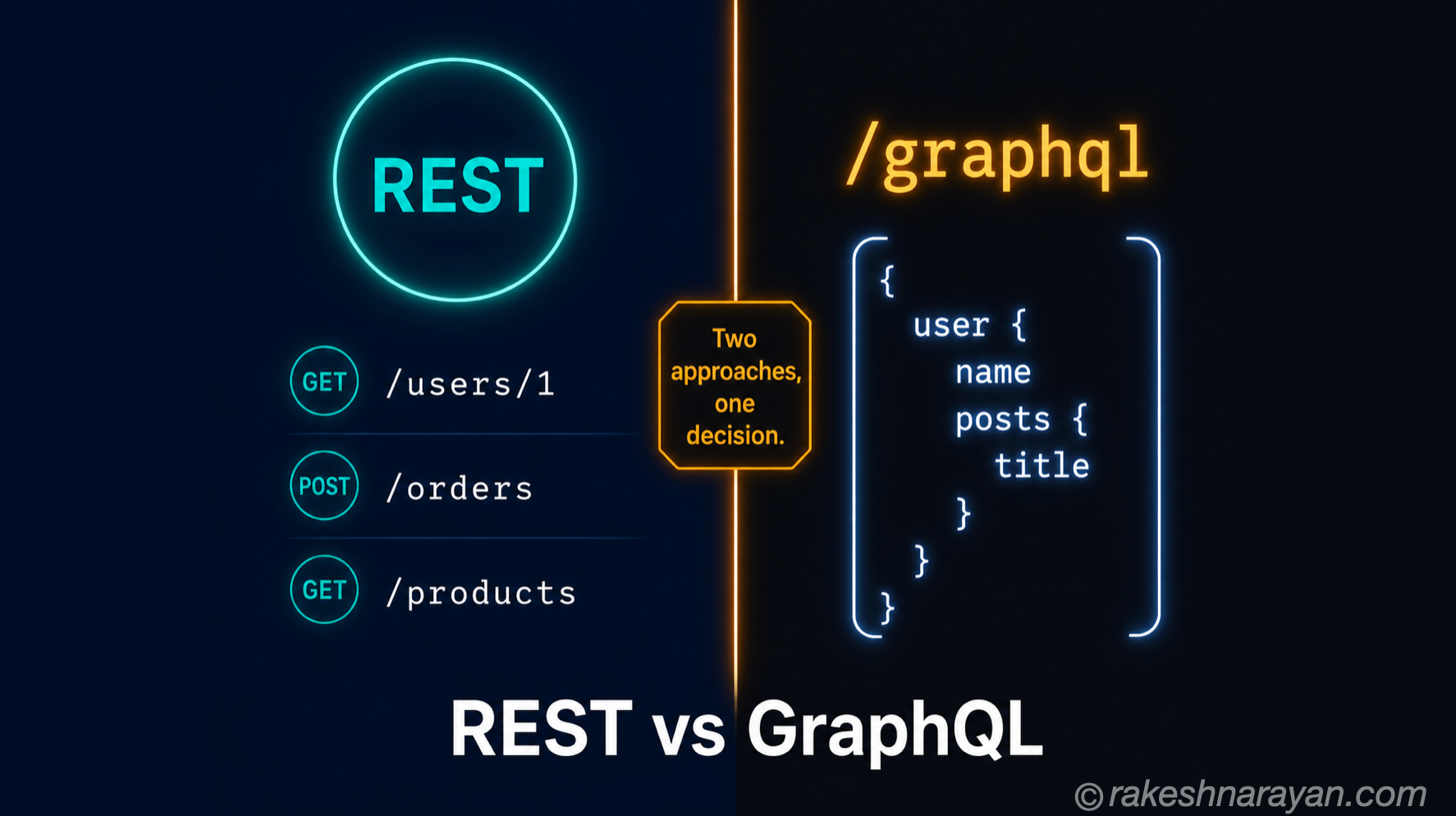
GraphQL and REST solve different problems. This is a clear, opinionated framework for choosing between them — no fence-sitting, no 'it depends', just real decision criteria.
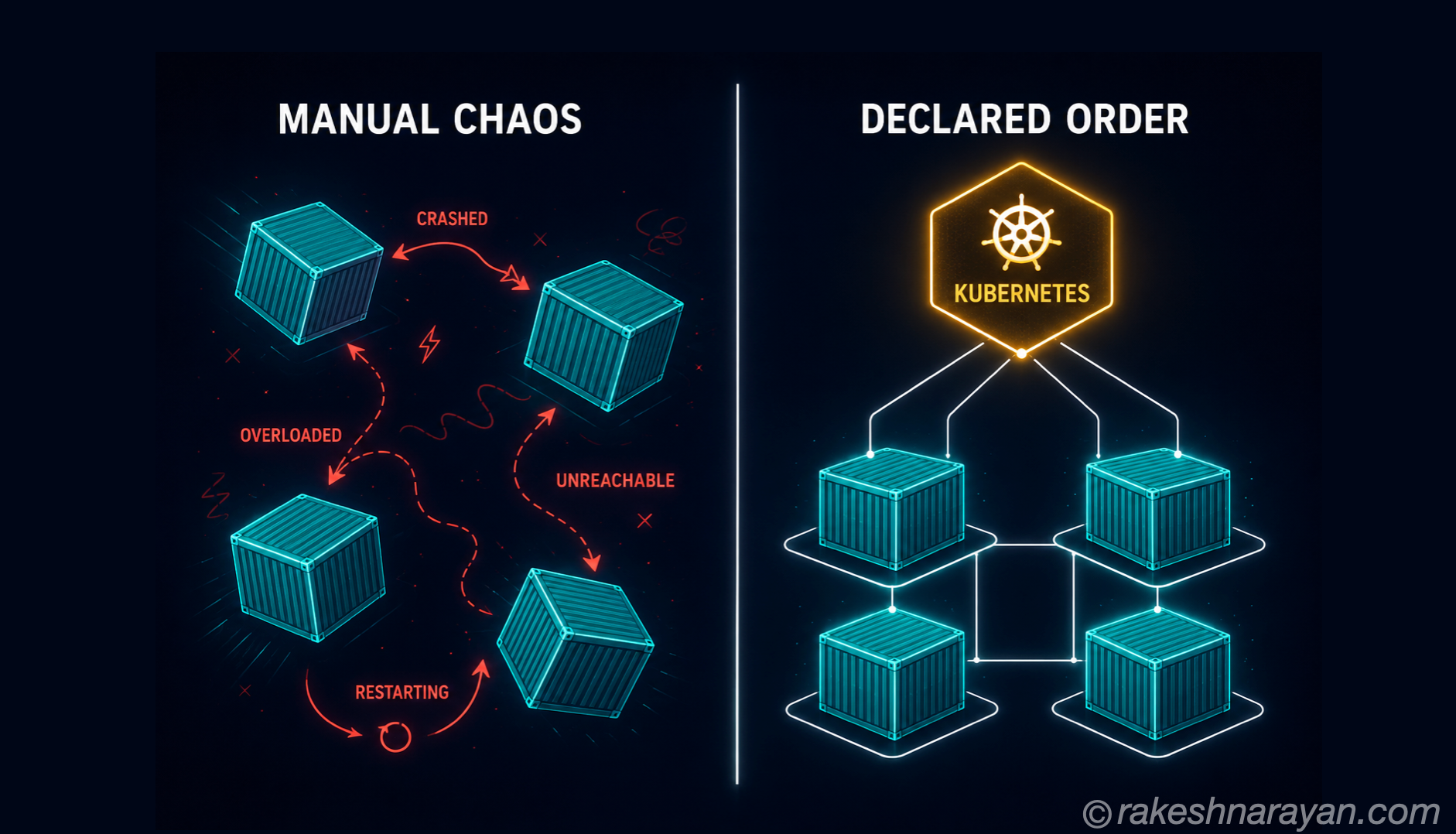
Kubernetes manages containers at scale — but most explanations skip the mental model. This post explains clusters, pods, deployments and self-healing in plain English.
Systems that wait to be asked are request-driven. Systems that react to what happens are event-driven. This post explains event-driven architecture — events vs commands vs queries, pub/sub patterns, event brokers like Kafka and SAP Event Mesh, and when this approach makes sense versus when it does not.
CI/CD is how modern software ships reliably. This post explains continuous integration, delivery and deployment — the pipeline, the distinctions and why the process matters.
Microservices architecture breaks applications into independent services. This post explains what that means, the real trade-offs, and when switching actually makes sense.
IaaS, PaaS and SaaS are the three cloud service models that every technology professional needs to understand. This post explains what each model means, who manages what, where real-world products sit on the stack, and how SAP BTP and S/4HANA Cloud fit in — clearly, without the marketing language.
No articles match your search.