Open Source vs Closed Source AI Models — The Real Trade-offs
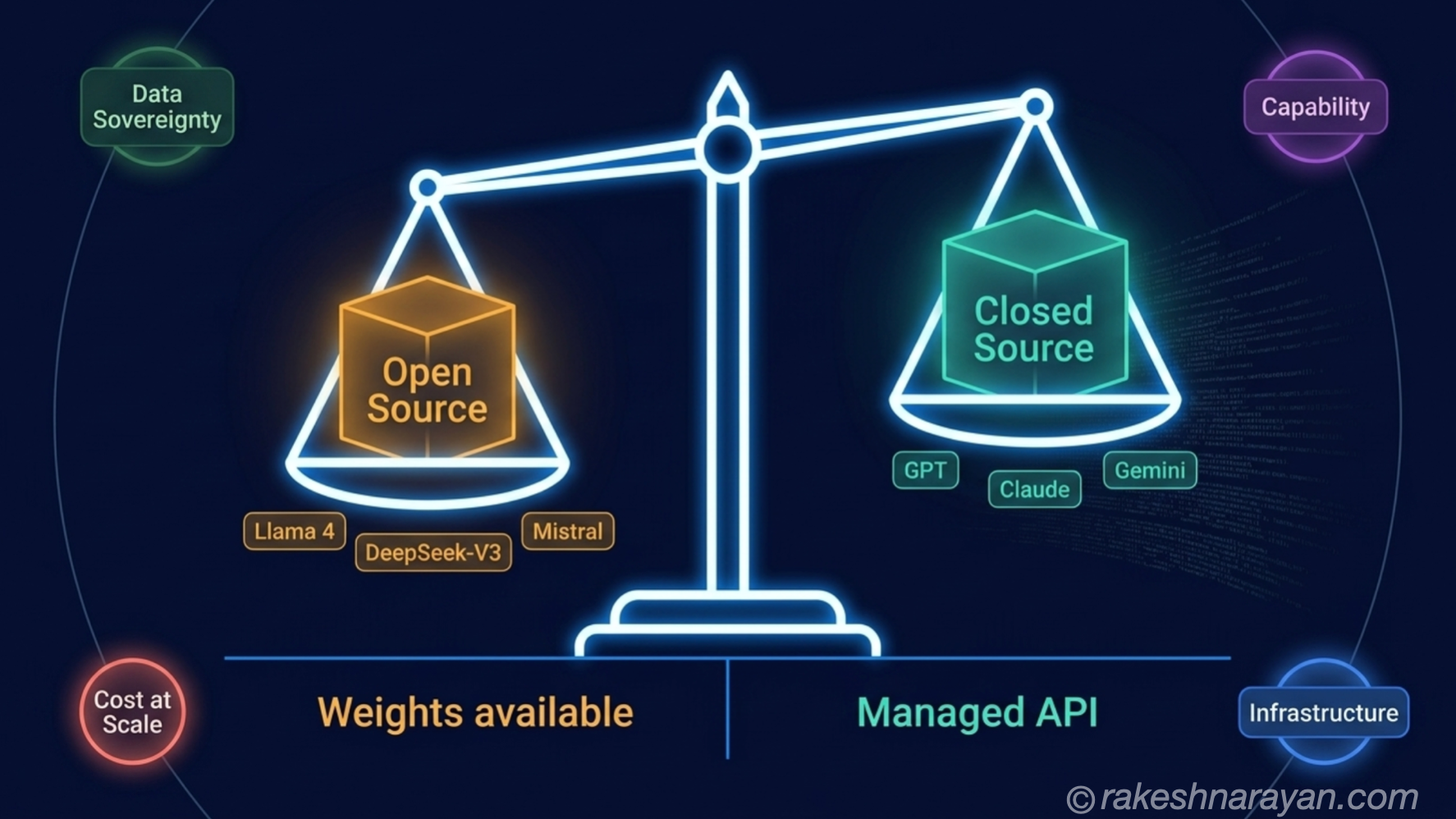
Open source and closed source AI models have different trade-offs. This post covers capability, cost, data sovereignty, and how to decide which fits your use case.
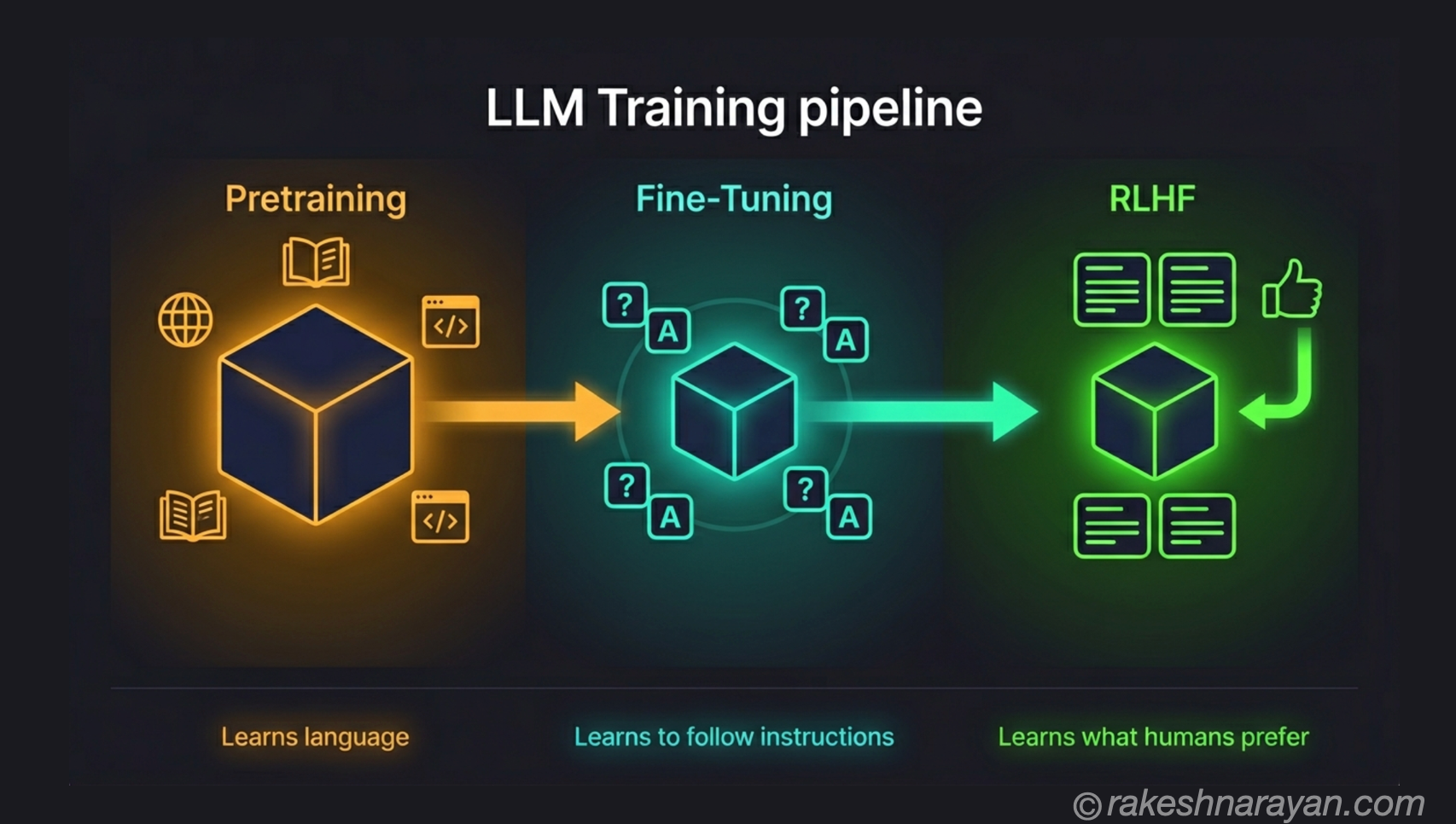
The three-stage pipeline that turns raw compute into a conversational AI model. Pretraining, supervised fine-tuning and RLHF explained — no equations, just the concepts.
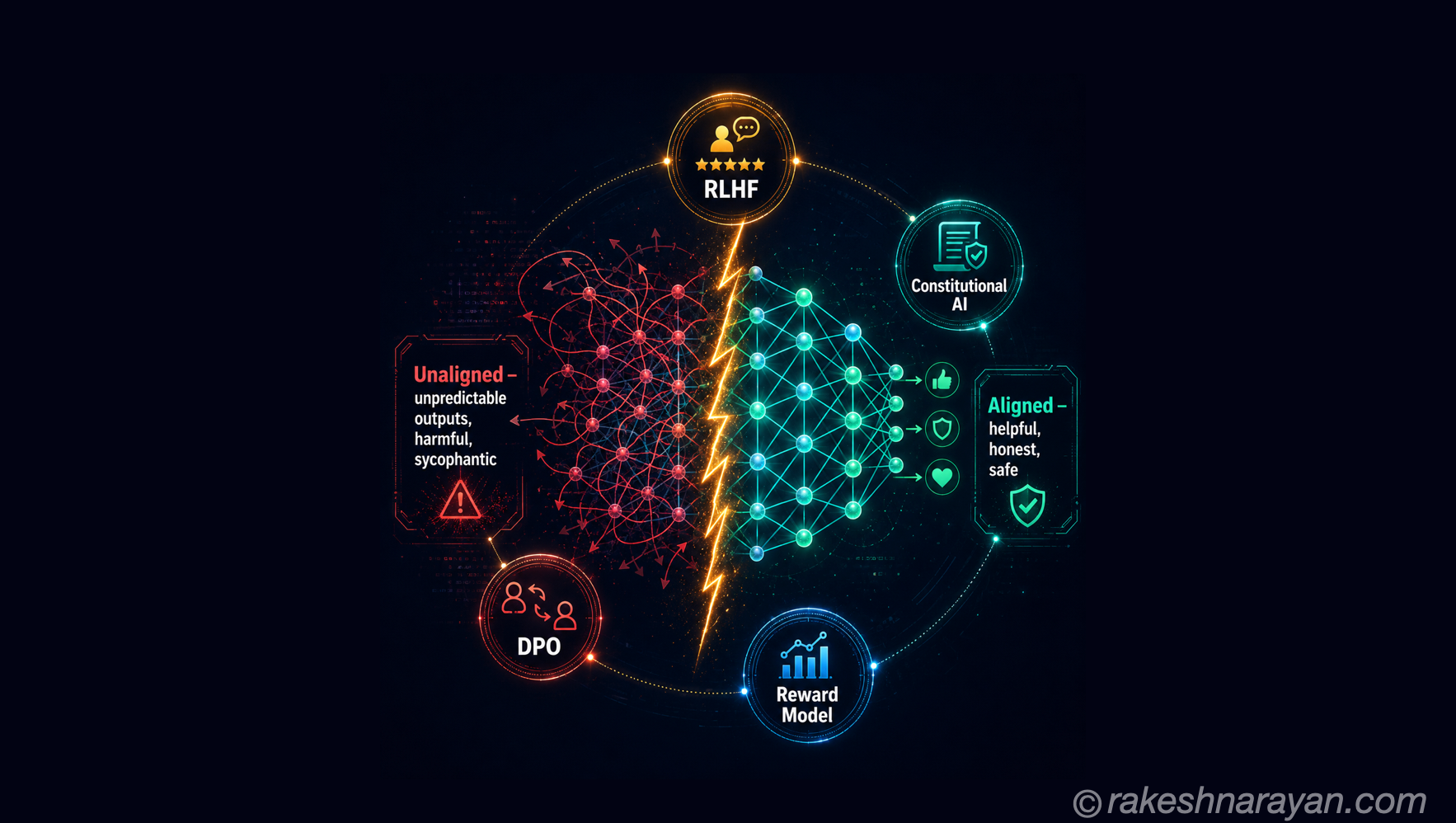
AI alignment is the reason ChatGPT, Claude and SAP Joule behave the way they do. This post explains what alignment means, how RLHF works and why it still isn't a solved problem.
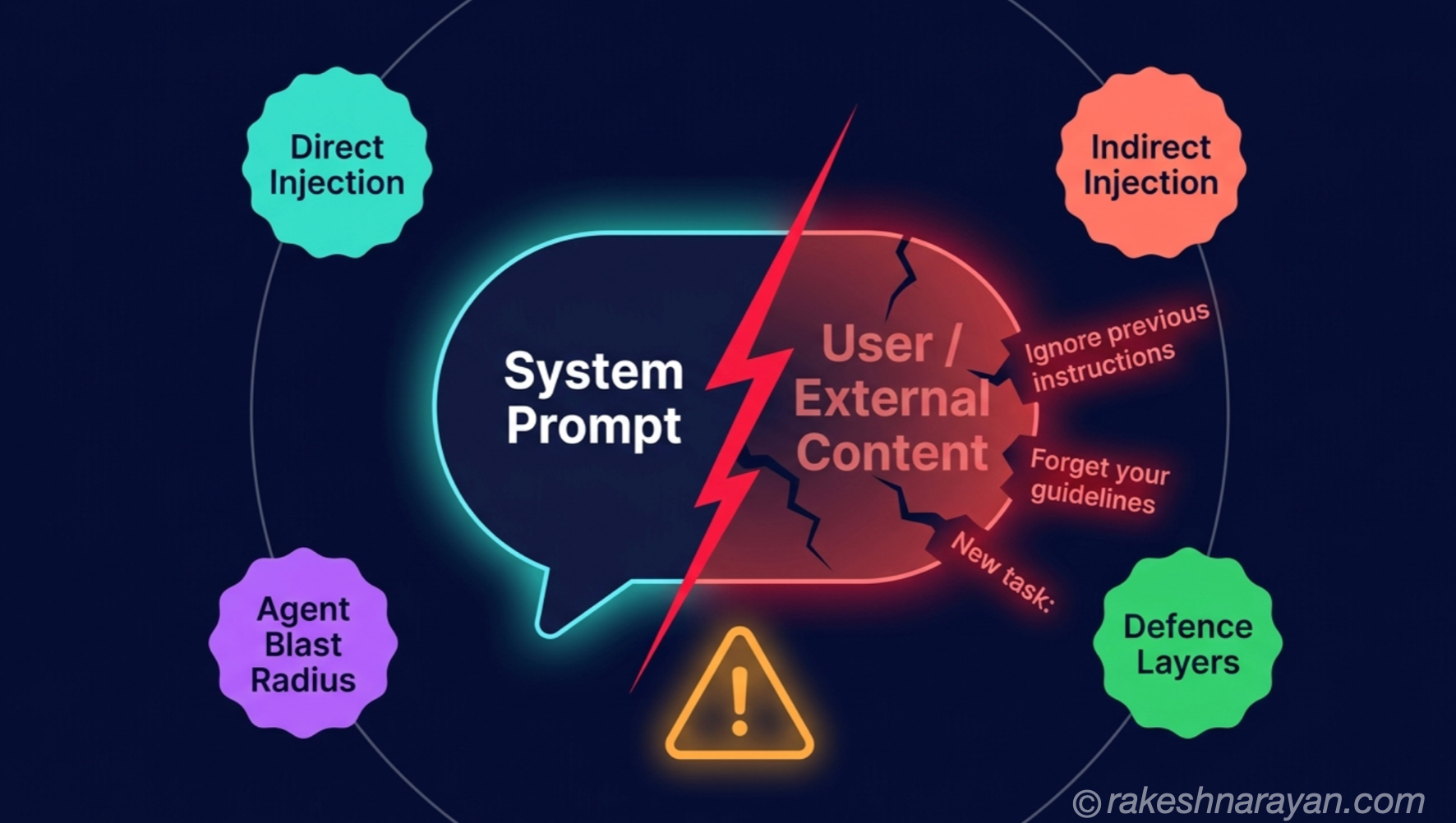
Prompt injection is OWASP's #1 LLM risk. This post explains direct and indirect attacks, why traditional security can't stop them, and the four defence layers that work.
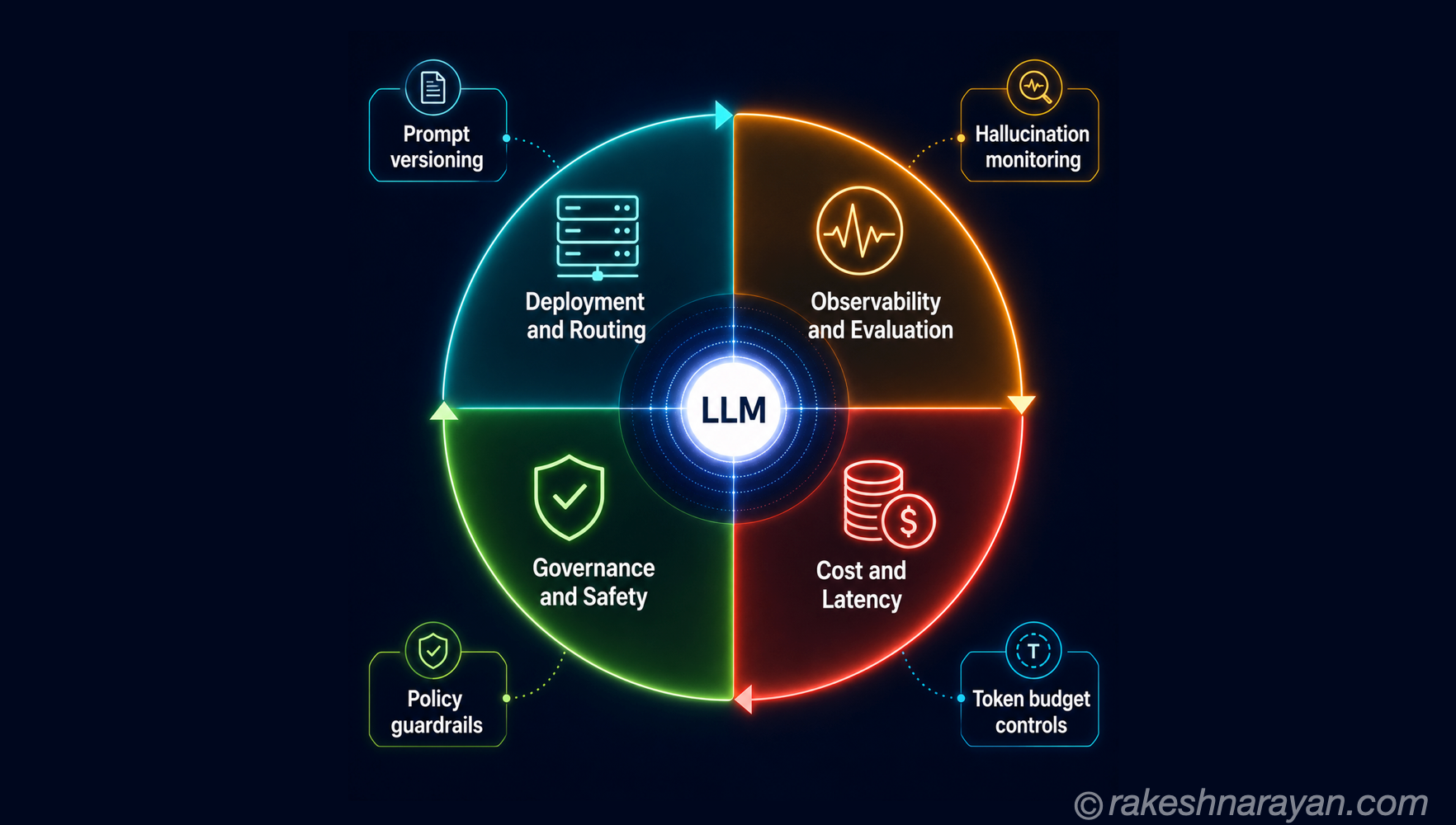
Most AI pilots succeed. Most AI deployments fail. LLMOps closes that gap — covering deployment, observability, cost control, and governance for LLMs in production.
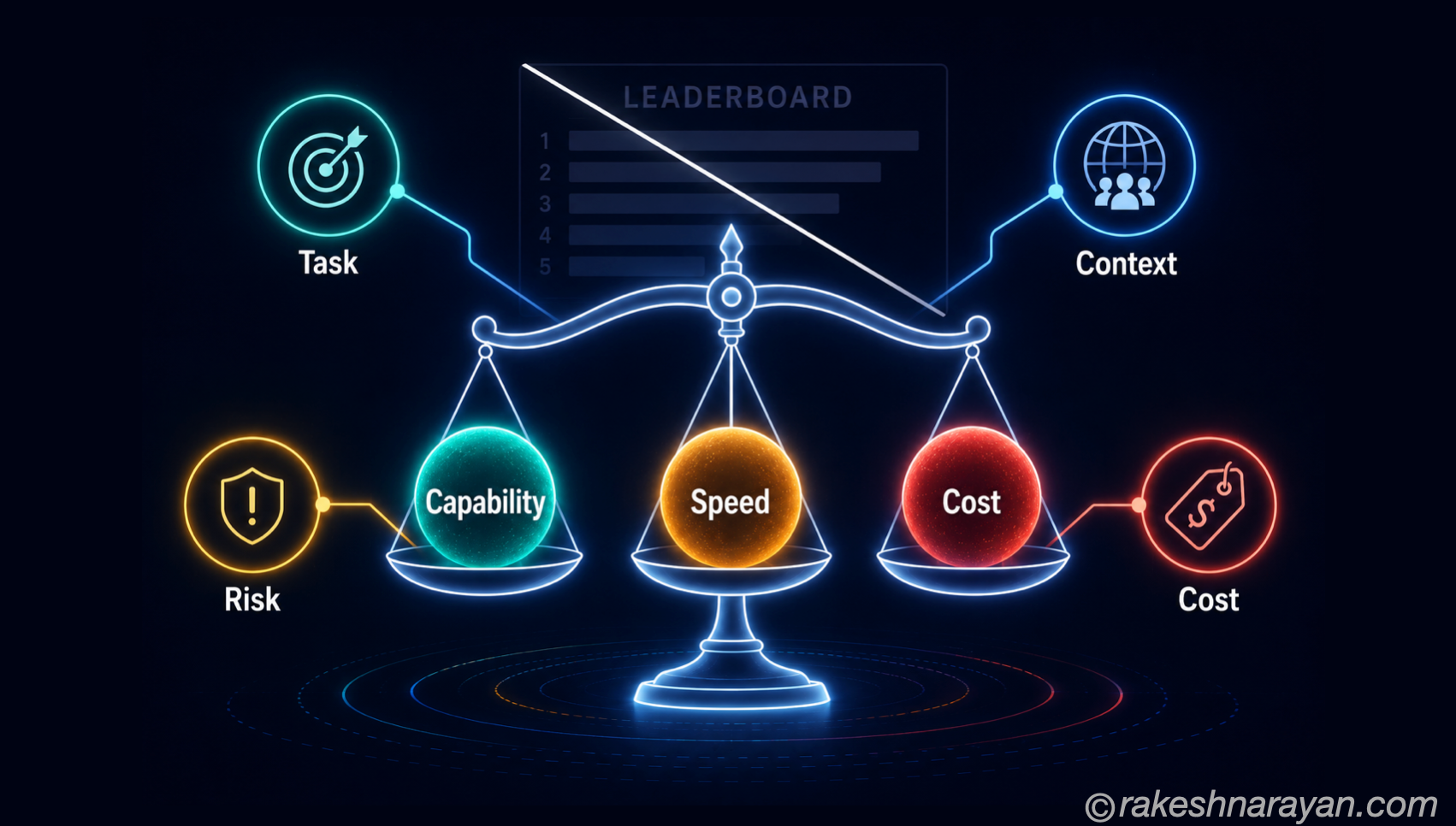
Every AI model comparison chases this month's leaderboard. This guide gives you a lasting decision framework — task, risk, context and cost — to pick the right one.
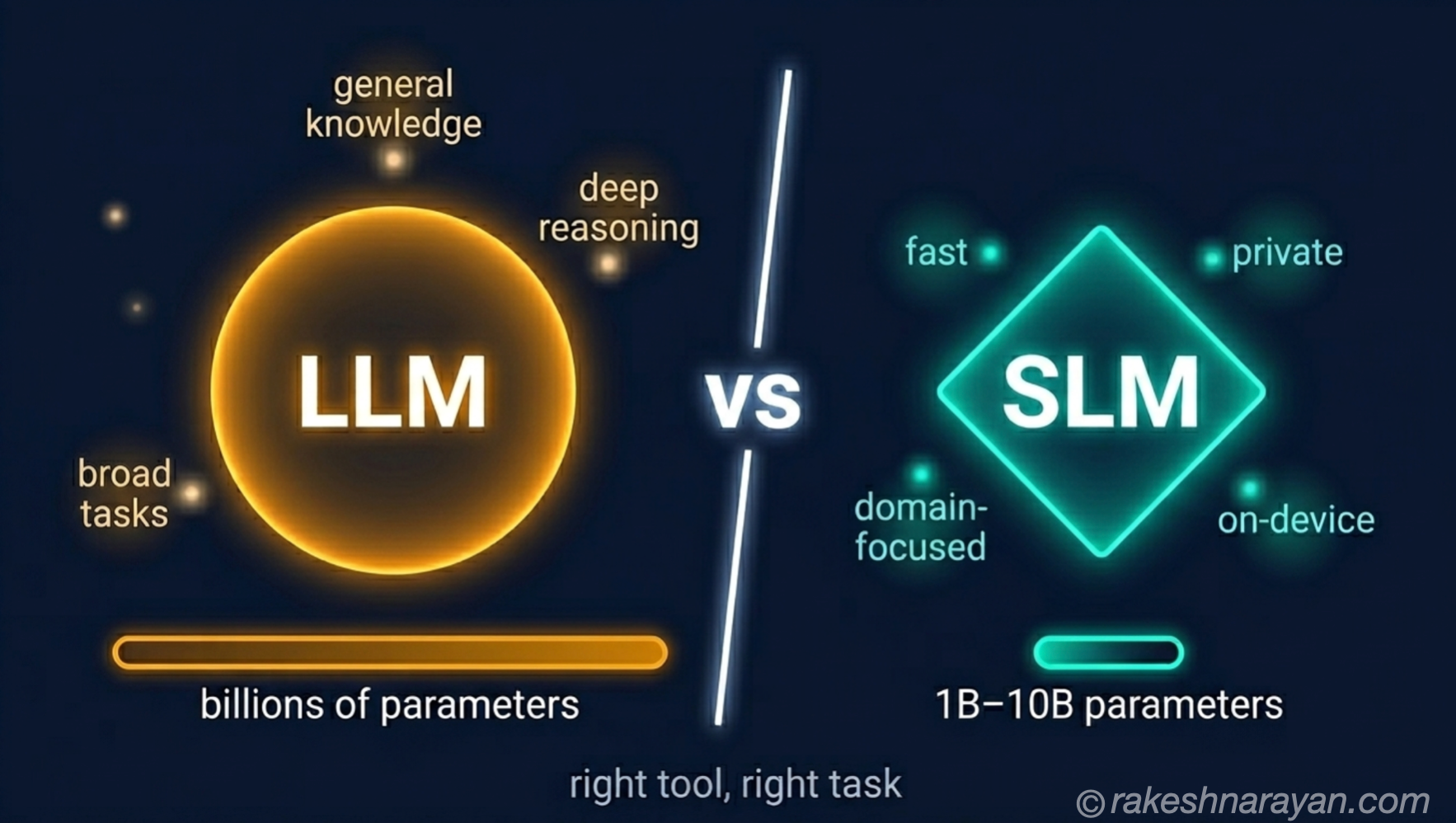
Small language models deliver LLM-quality results on narrow tasks at a fraction of the cost. Learn what SLMs are, where they outperform LLMs, and when to use each.
Prompt caching, batching and model routing are the real levers for cutting LLM cost and latency in production — not a single silver-bullet trick to rely on blindly.
Learn the four reasoning patterns behind AI agents — ReAct, Planning, Reflection and Multi-Agent. What each one does, when to use it, and when it breaks in production.
No articles match your search.