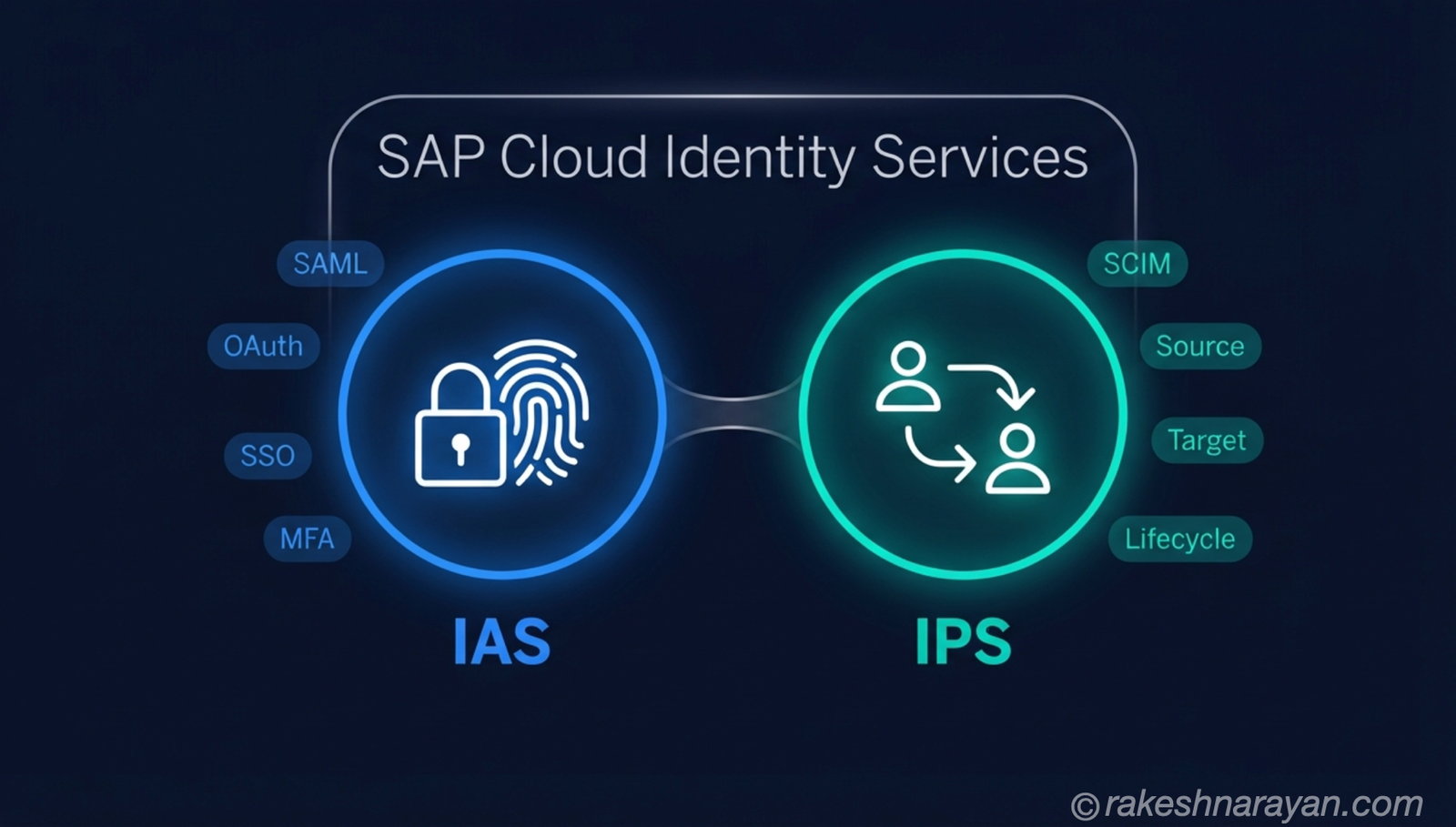
SAP Cloud Identity Services — IAS vs IPS
SAP IAS handles authentication, SAP IPS handles provisioning. This post explains the real difference, how they work together, and the 2026 migration deadline.
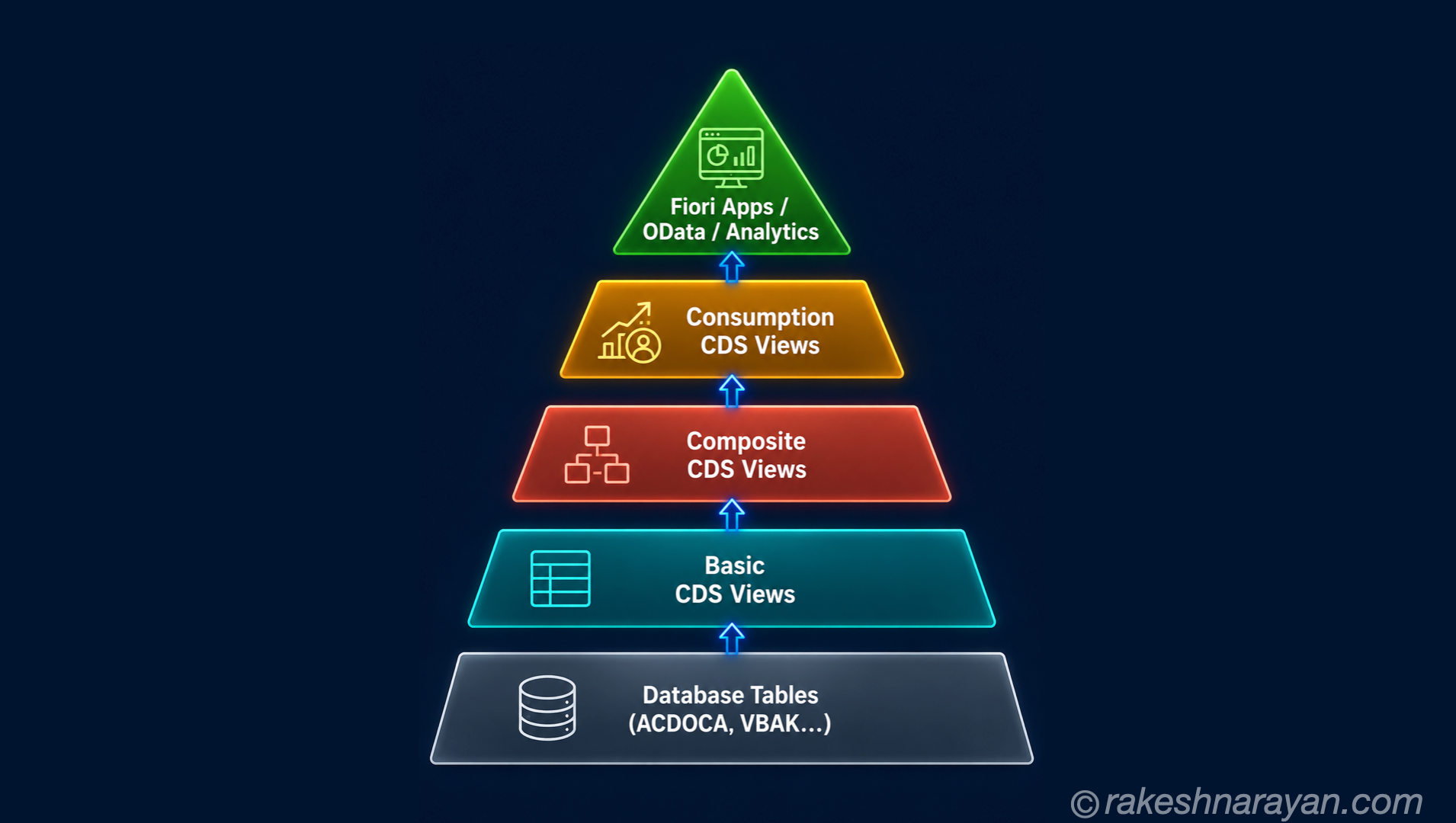
CDS views are the data layer of SAP S/4HANA. Learn what they are, how the VDM is structured, and why it matters for developers, consultants and architects.
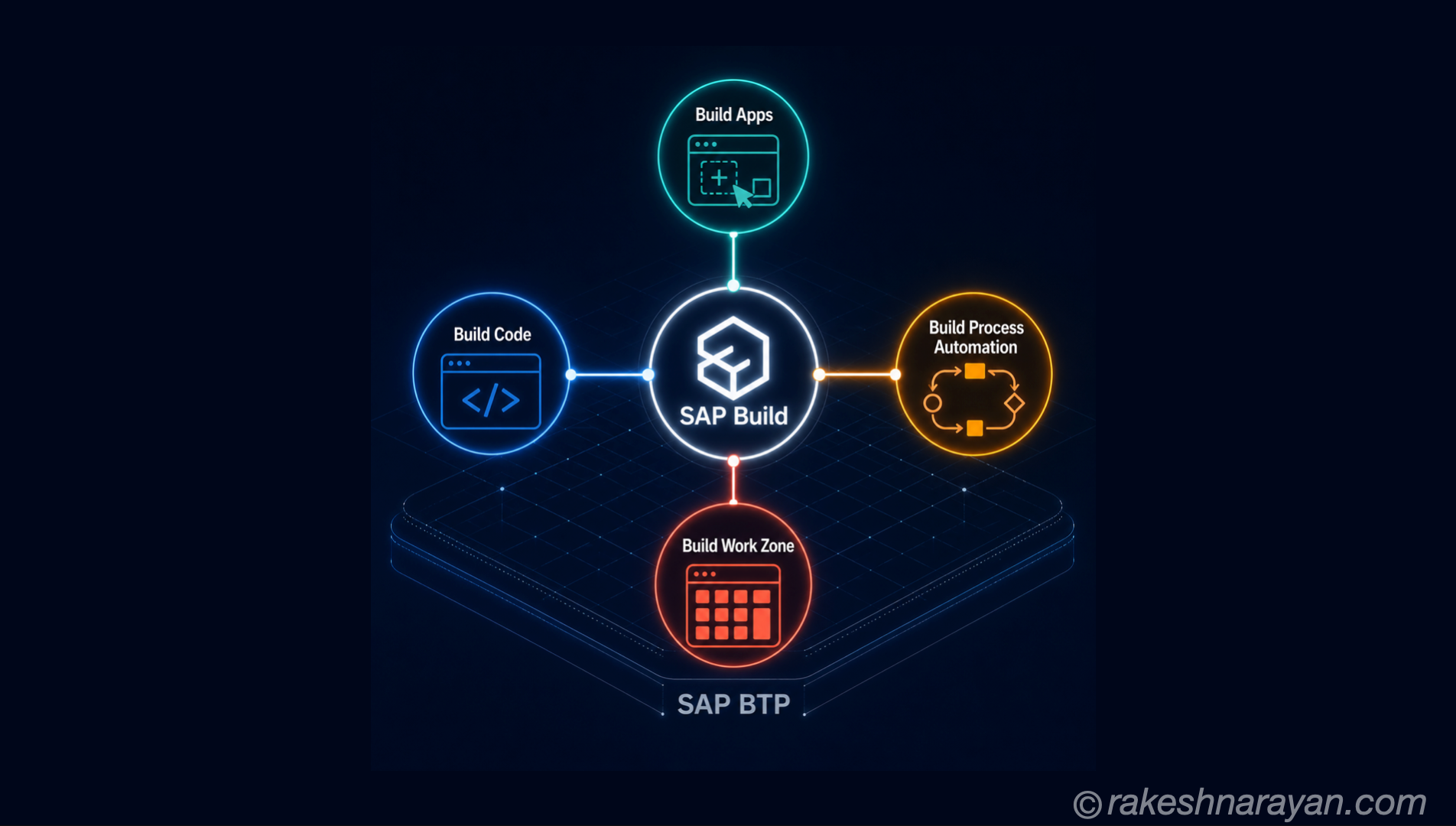
SAP Build covers four tools: Build Apps, Process Automation, Work Zone and Build Code. Here is what each does, who uses it and how they fit together.
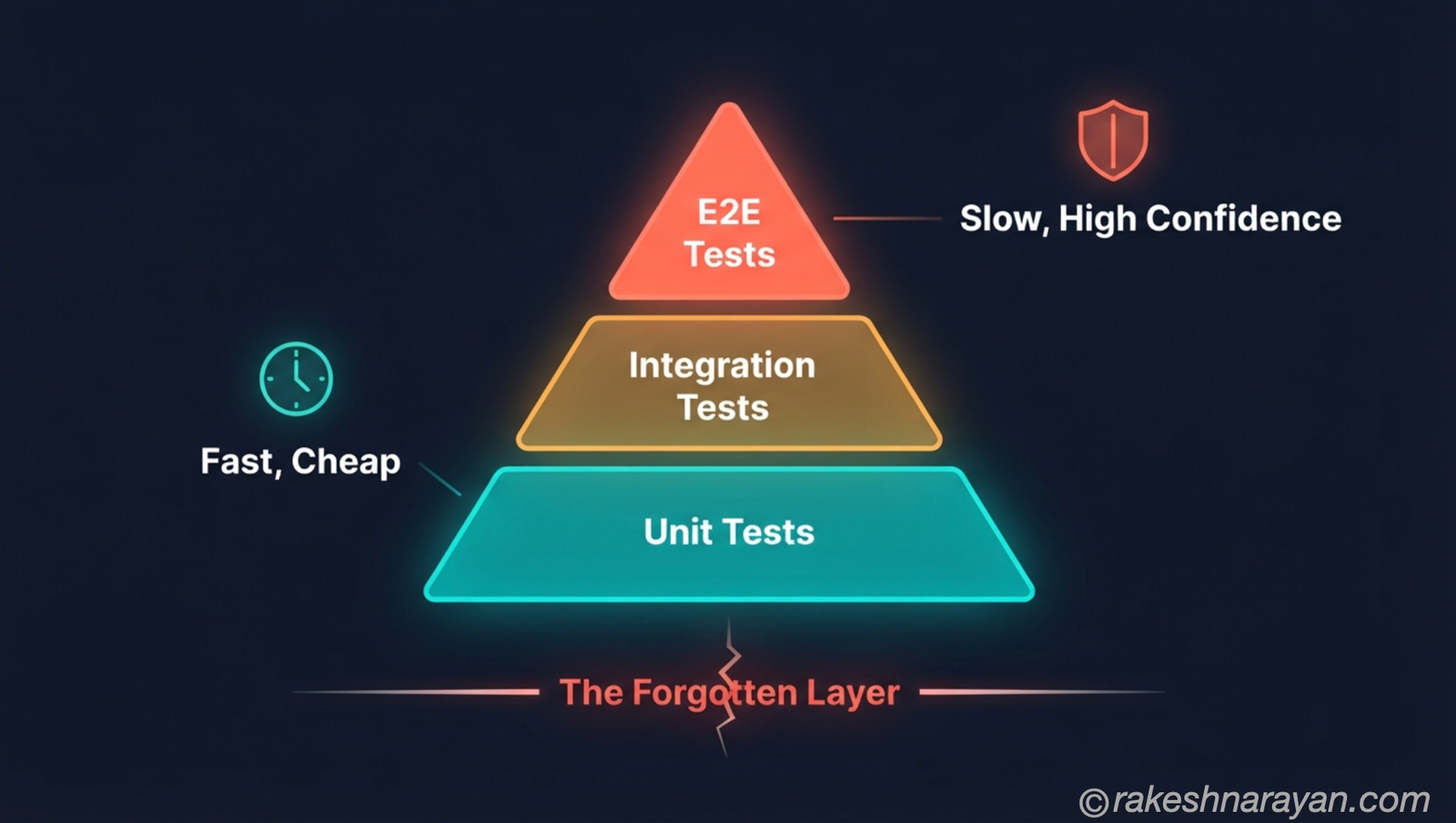
Unit, integration and end-to-end tests each catch different bugs. This post explains what each one checks, why the ratio matters, and how it maps to SAP SIT and UAT phases.
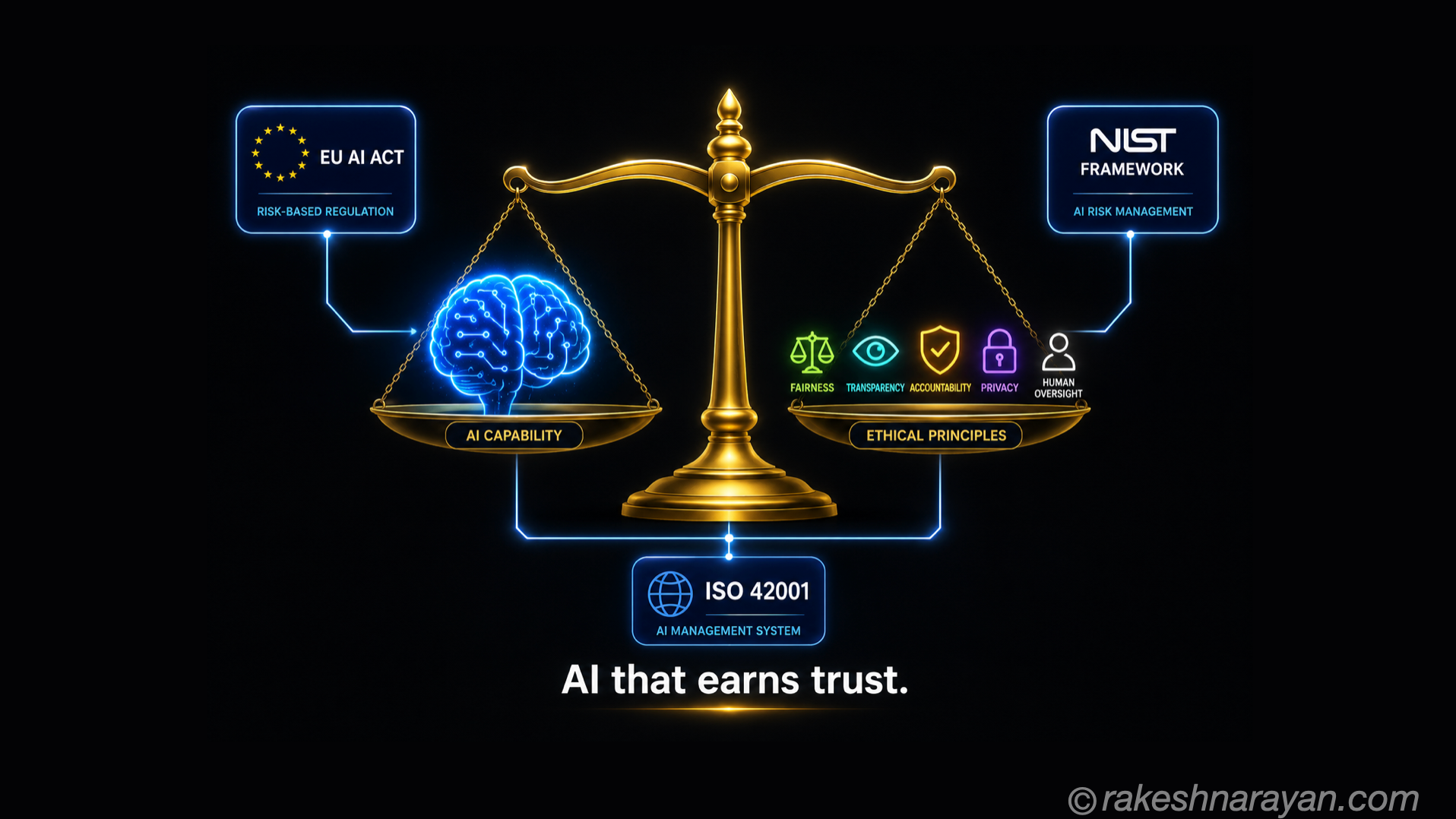
AI makes consequential decisions. This post explains responsible AI — fairness, bias, transparency, accountability and what EU AI Act means for organisations.
OData is the protocol that connects SAP Fiori apps to SAP backends, powers the API layer of S/4HANA, and is used in every BTP integration. Yet most people only know it as a URL pattern. This post explains what OData actually is, how it works, the real differences between V2 and V4, and when to use each — clearly and without assuming deep technical knowledge.
Systems that wait to be asked are request-driven. Systems that react to what happens are event-driven. This post explains event-driven architecture — events vs commands vs queries, pub/sub patterns, event brokers like Kafka and SAP Event Mesh, and when this approach makes sense versus when it does not.
SAP Integration Suite is SAP’s iPaaS on BTP — the strategic replacement for PI/PO. This post explains what it is, how its capabilities work, and how they fit together.
CI/CD is how modern software ships reliably. This post explains continuous integration, delivery and deployment — the pipeline, the distinctions and why the process matters.
No articles match your search.