JSON is the universal language of APIs and data exchange. Whether you are reading an API response, writing a config file or working with SAP BTP, you will encounter JSON every day. This post covers everything you need — data types, structure, nesting, arrays, common mistakes and real-world examples — to go from beginner to confident.
SAP Clean Core keeps S/4HANA upgrade-stable by pushing custom logic outside the core. This post explains the six dimensions, A–D extensibility levels and the AI readiness case.
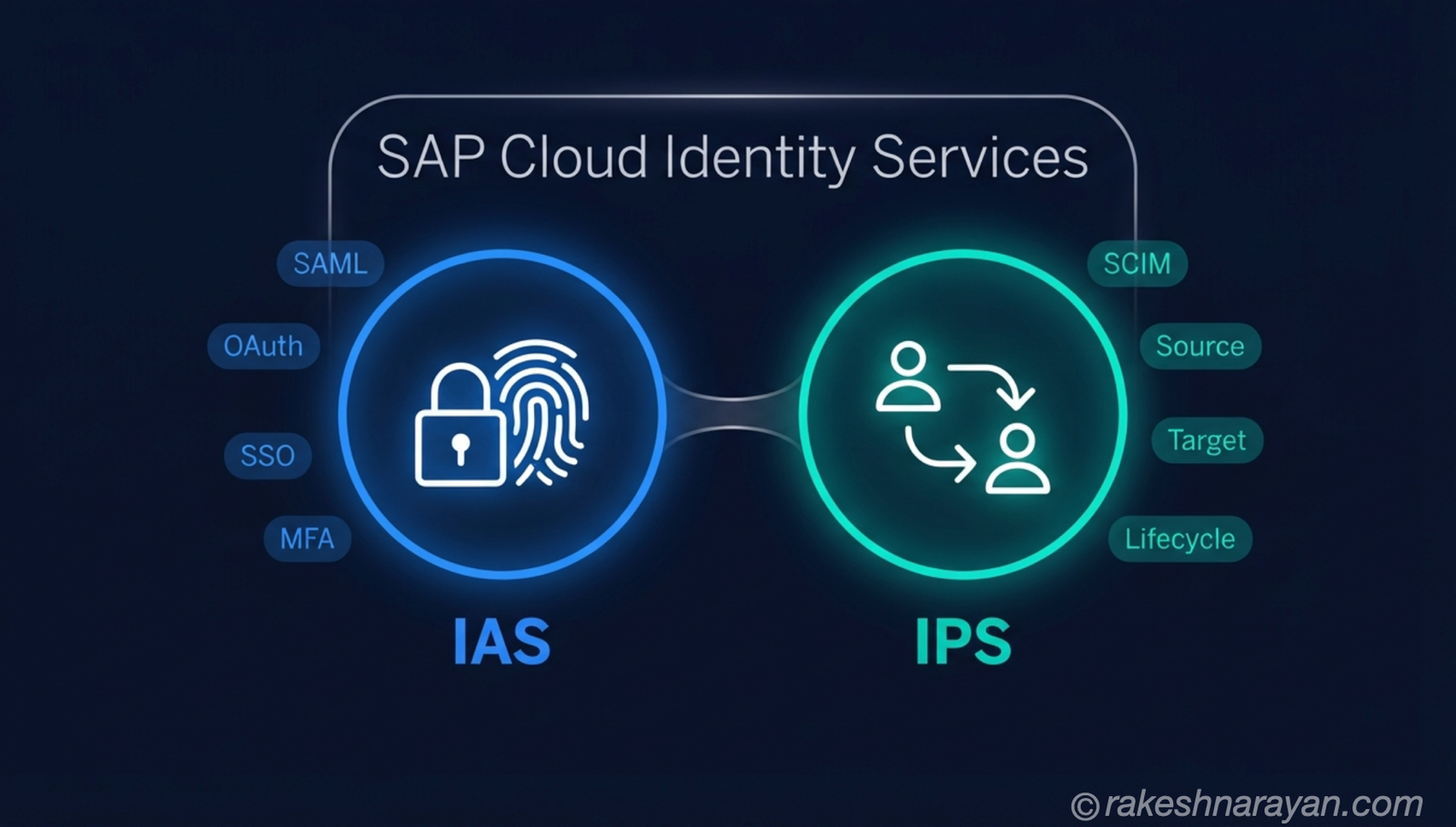
Every time you click 'Sign in with Google' or a system calls an API using a token, OAuth 2.0 is at work. This post explains what OAuth 2.0 actually does, how the key flows work, what OpenID Connect adds on top, and how JWT ties it all together — in plain English without the specification language.
Point-to-point or hub-and-spoke? Synchronous or asynchronous? IDoc, BAPI, RFC or REST? These are the architectural decisions behind every SAP integration. This post explains the core integration patterns, when to use each, and how they map to modern SAP tools like Integration Suite and Event Mesh.
SAP CAP is the standard framework for building cloud-native apps on SAP BTP. This post explains what it is, how its layers work, and when to use it over RAP.
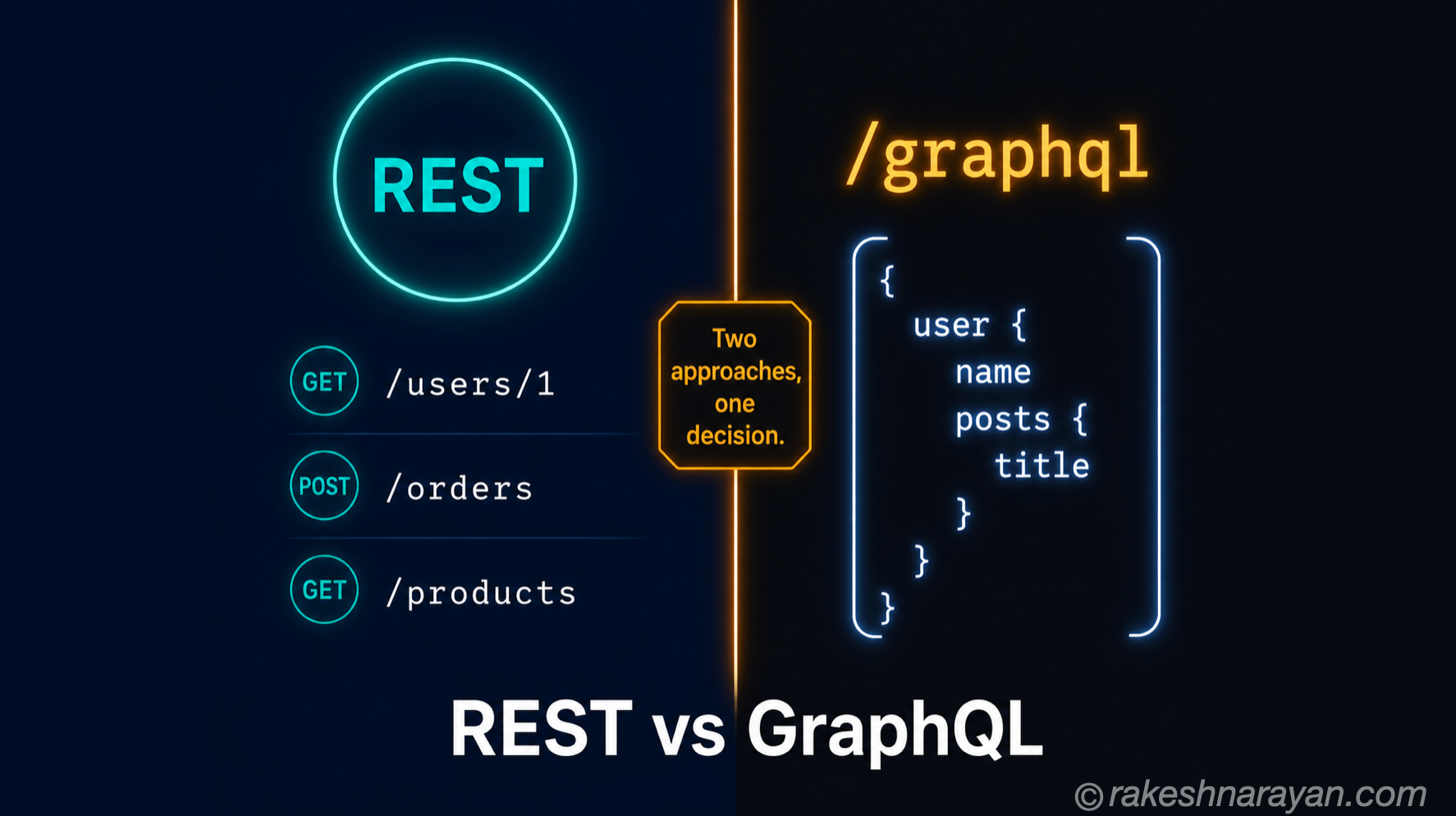
REST API design principles have been the foundation of web APIs since 2000 — and they have not changed. This post explains the core principles clearly: resources, HTTP methods, statelessness, status codes, versioning, and idempotency. Whether you are building your first API or reviewing a design, this is the reference you will come back to.
Still deploying your custom SAP Fiori applications by logging into a BTP sub-account and running CF commands manually? It works — until it doesn't. As your landscape grows, so does the risk: no audit trail, no approval gates, no guarantee that what you tested in QA is what lands in production.
This guide walks you through the complete setup of SAP Cloud Transport Management Service (CTMS) integrated with the SAP CI/CD Service on BTP — so your Fiori app deployments are automated, controlled, and fully traceable from the moment a developer pushes code to Git, all the way to production.
Whether you are setting this up for the first time or refreshing your knowledge of the 2026 toolset, this post covers everything: CTMS subscription and landscape configuration, transport nodes and routes, BTP Destinations with technical users, MTA project structure, CI/CD job setup, and the Release Manager import workflow — with troubleshooting tips and FAQs included.
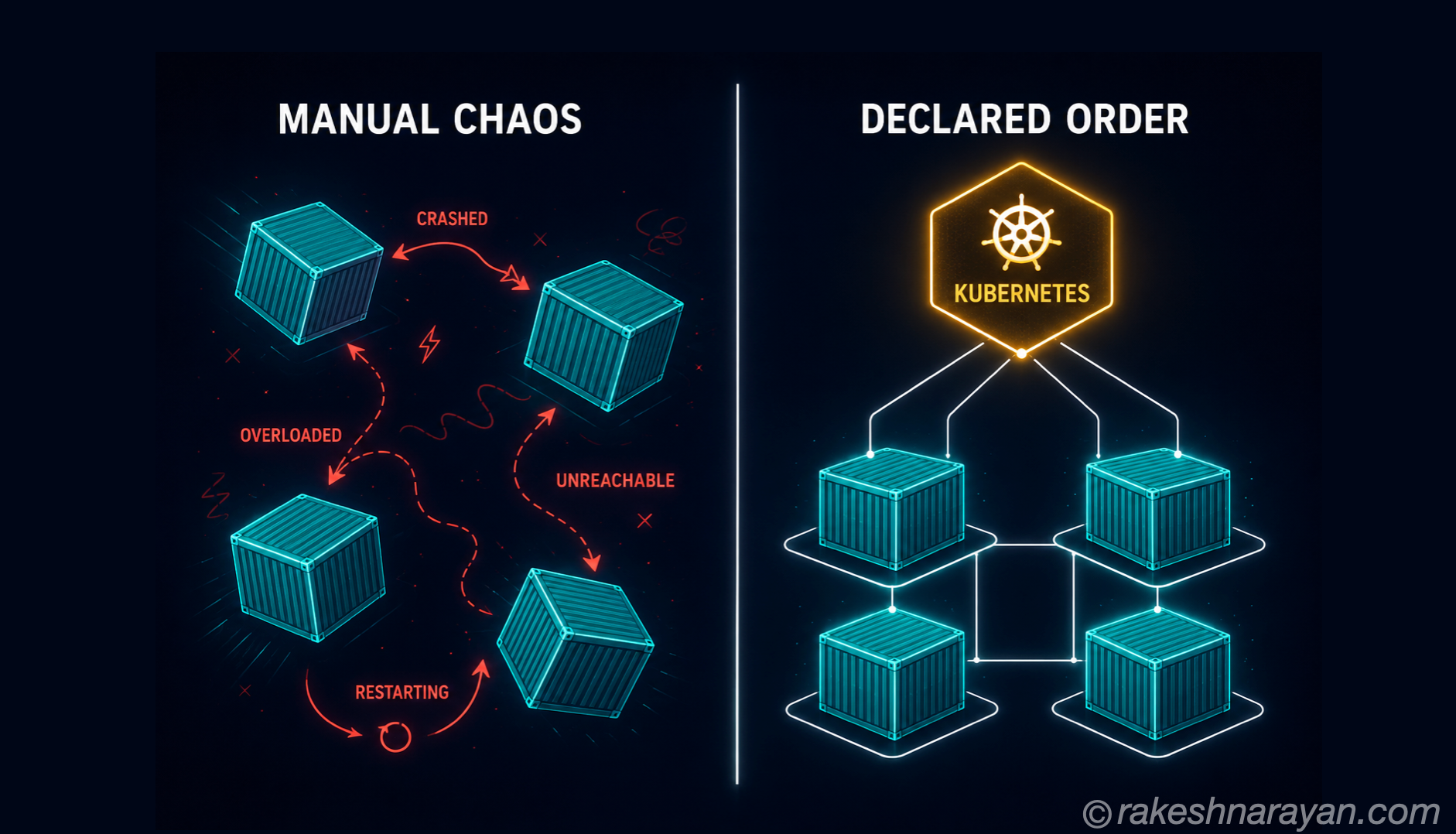
Containers changed how software is built and deployed. Docker made containers accessible. This post explains what containers are, what problem they solve, how Docker works, and why this matters for anyone working in cloud platforms including SAP BTP — without becoming a command-line tutorial.
ABAP RAP is SAP's strategic programming model for S/4HANA and BTP. Learn what it is, what it replaces, and why managed vs unmanaged matters for your project.