SAP Fit-Gap Analysis — When Business, IT and Finance Disagree
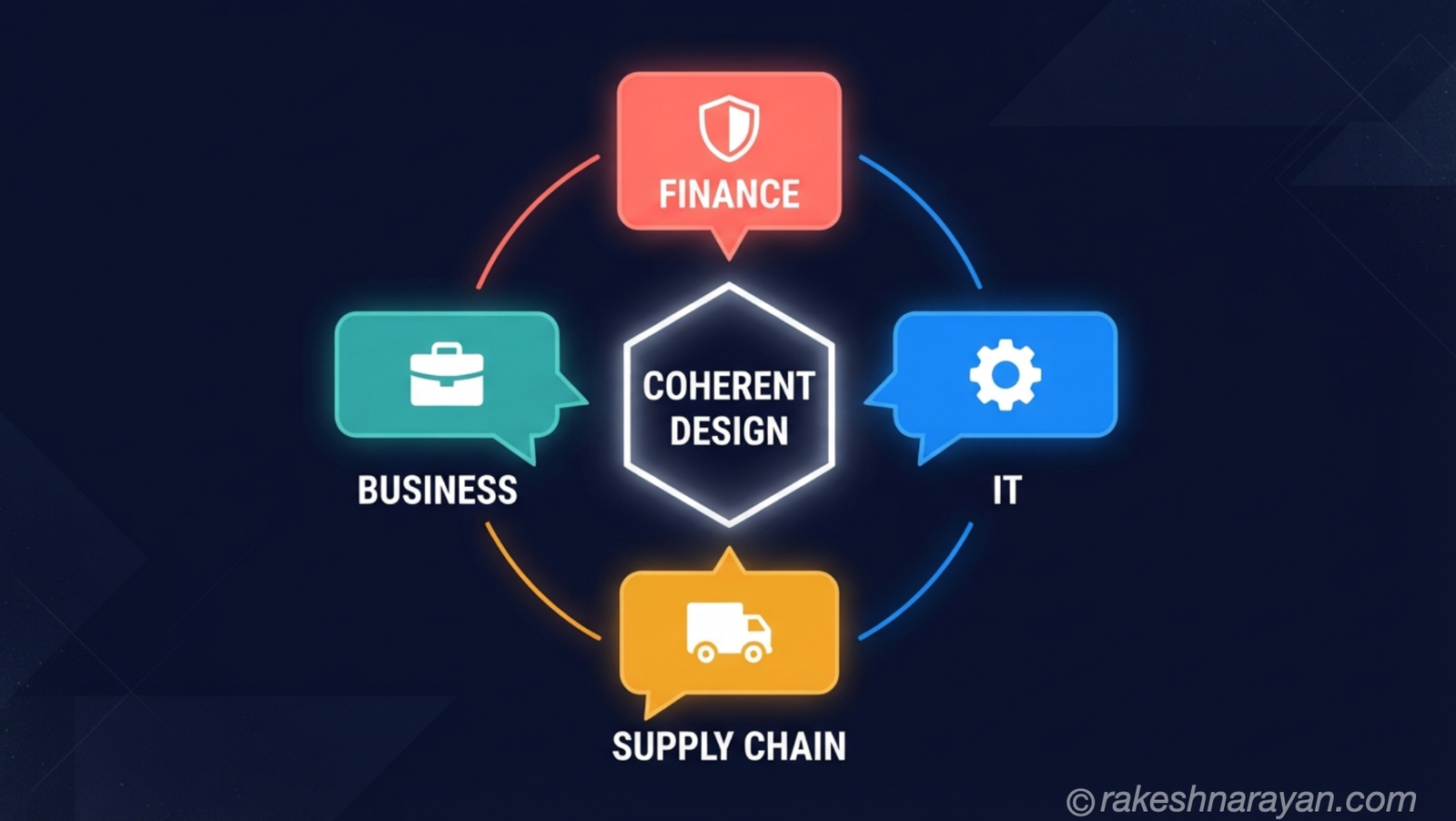
SAP fit-gap analysis stalls when business, IT and finance disagree. This post shows how to separate positions from real needs and keep the design coherent.
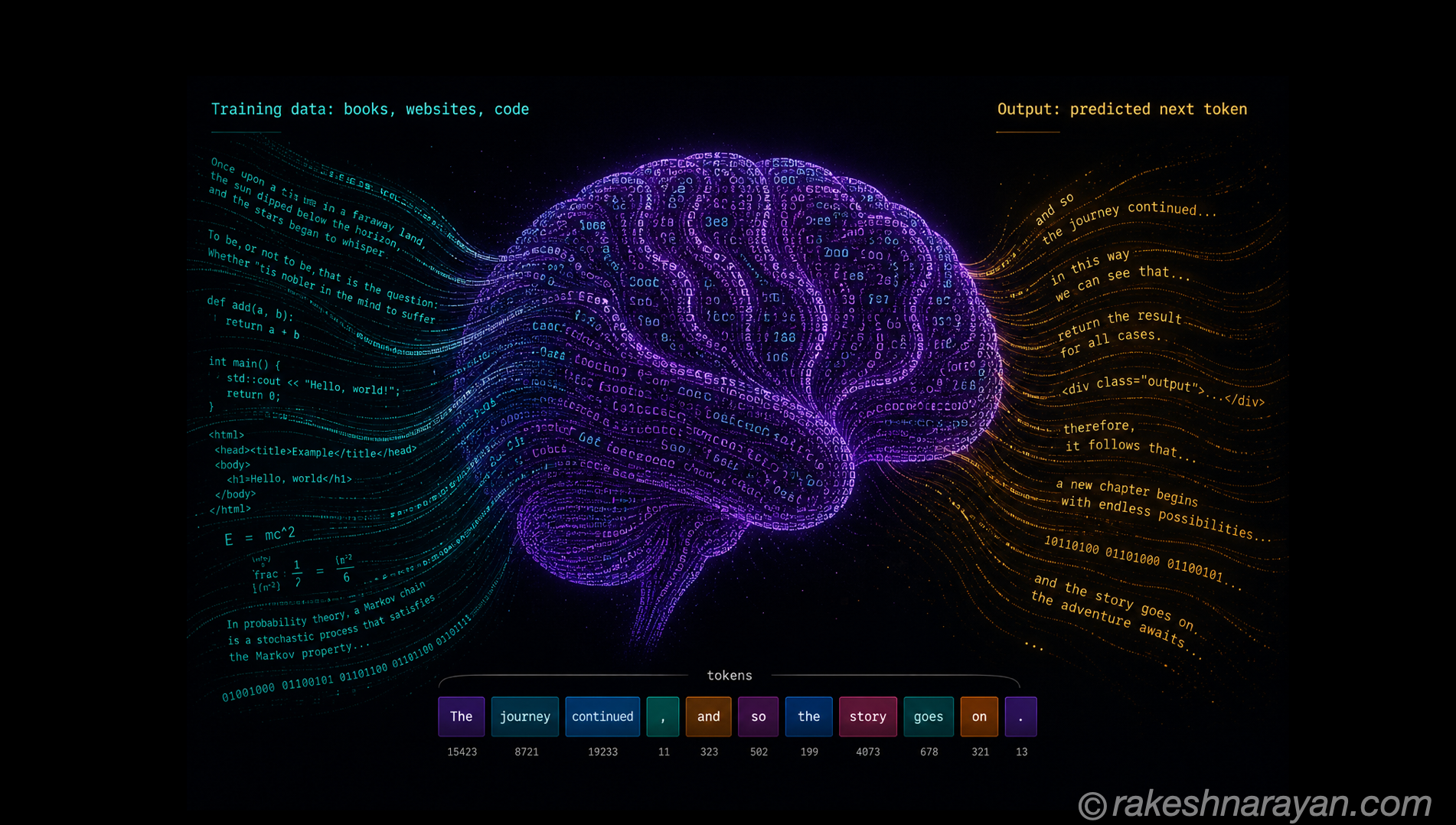
ChatGPT, Claude, Gemini, Joule — they are all powered by large language models. But what is an LLM actually doing when it responds to you? This post explains what an LLM is, how it is trained, what tokens and embeddings mean, and why LLMs predict rather than think — clearly, without the academic language.
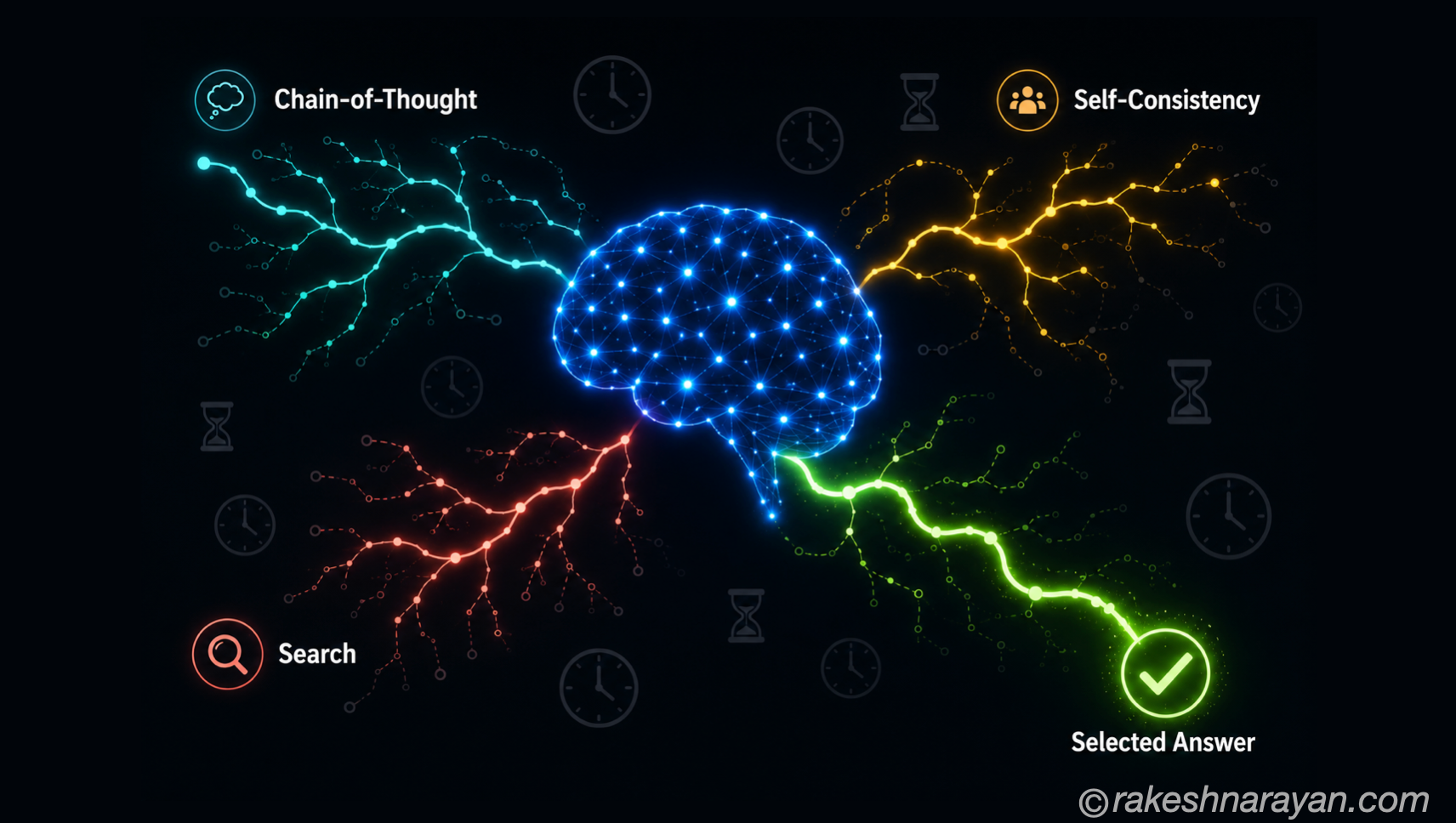
Test-time compute lets AI models think longer before answering. Here's how chain-of-thought, RL training and thinking budgets actually work — and when it's worth paying for.
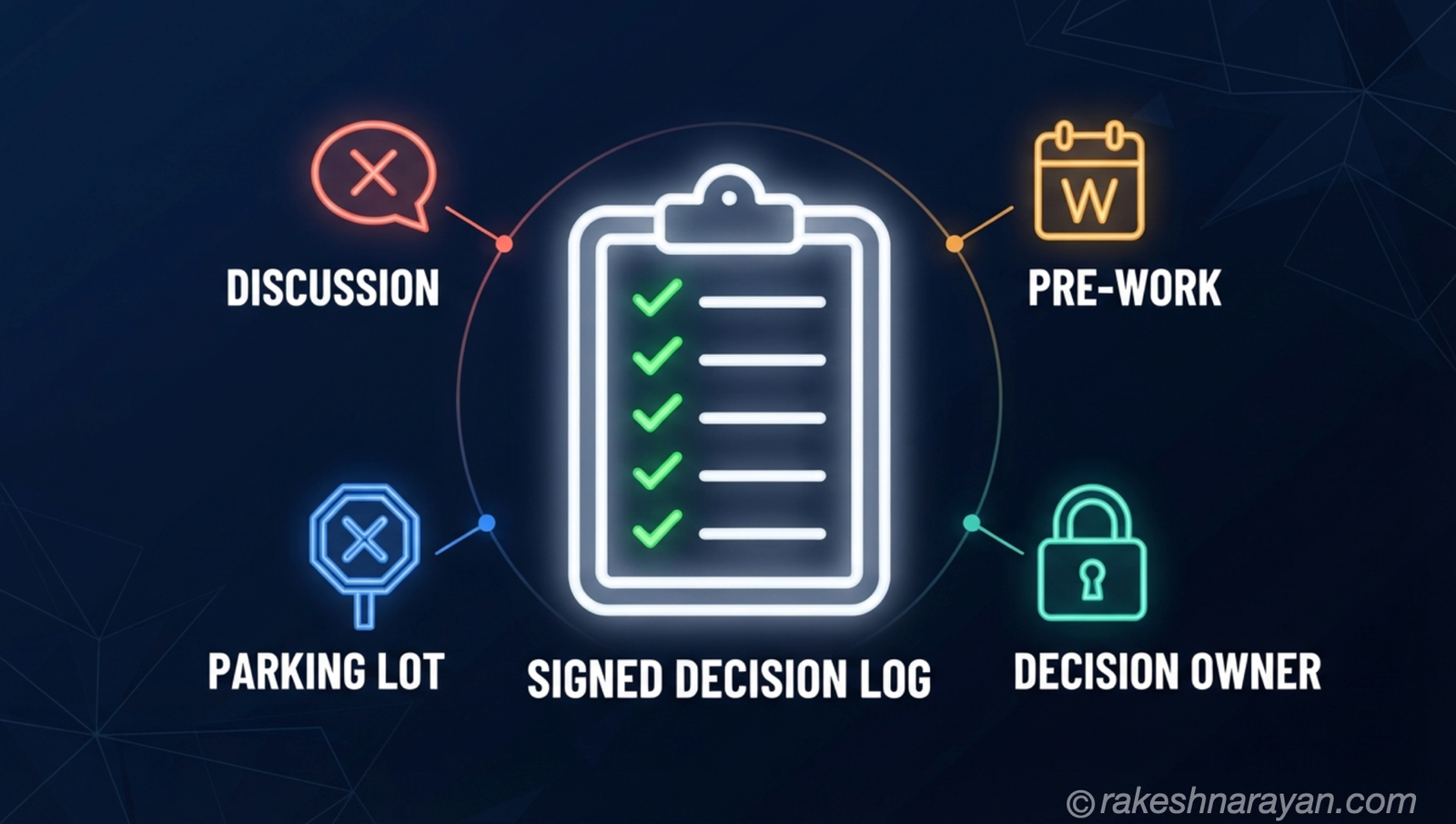
Most SAP discovery workshops produce a deck, not a decision. This post covers the pre-work, agenda structure and decision log that change that outcome for good.
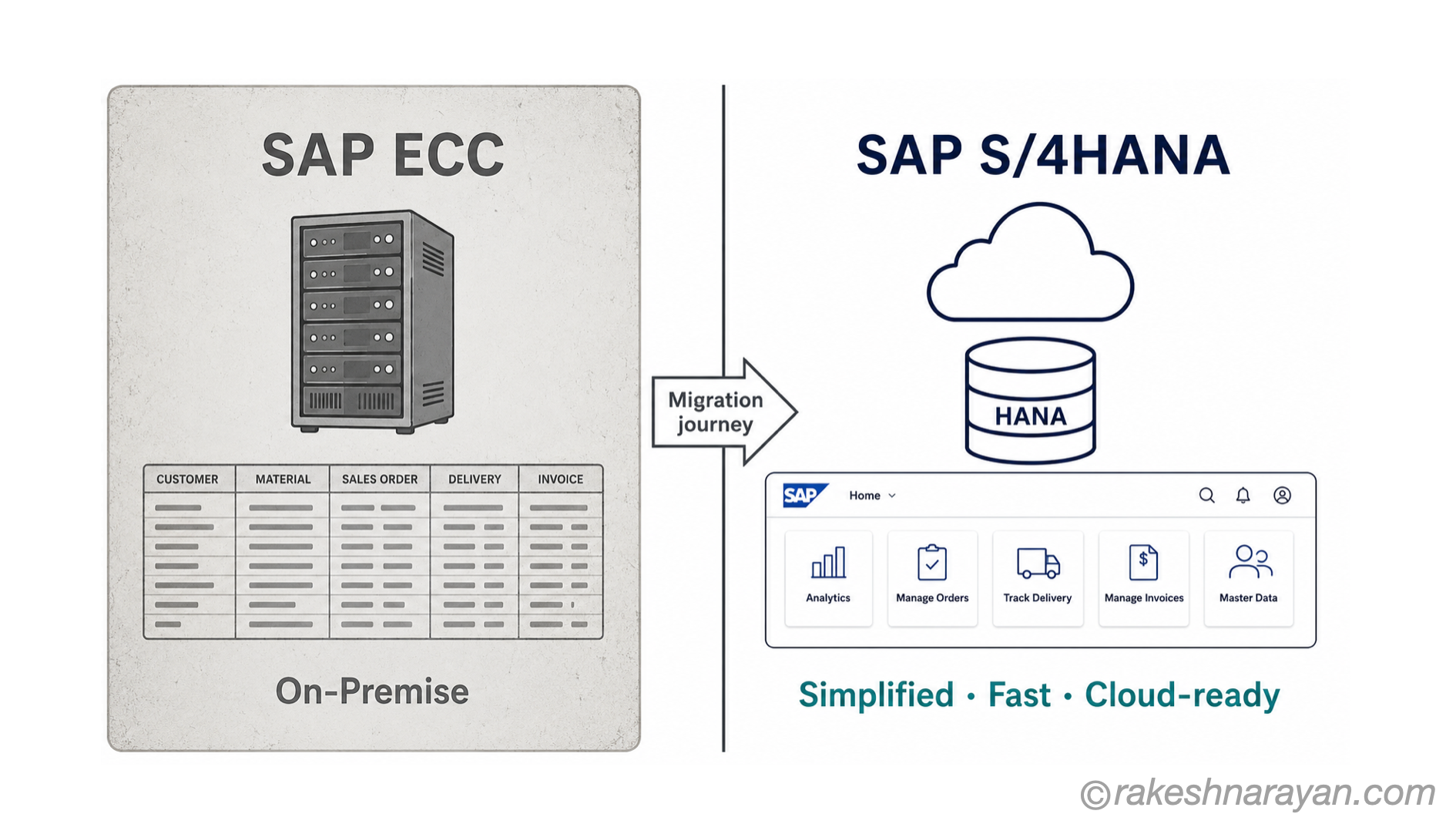
Most comparisons of SAP S/4HANA and ECC focus on marketing bullet points. This post explains what actually changed — the data model, the database, the user experience, and what it means for a real SAP landscape. Written by a consultant who has worked with both.
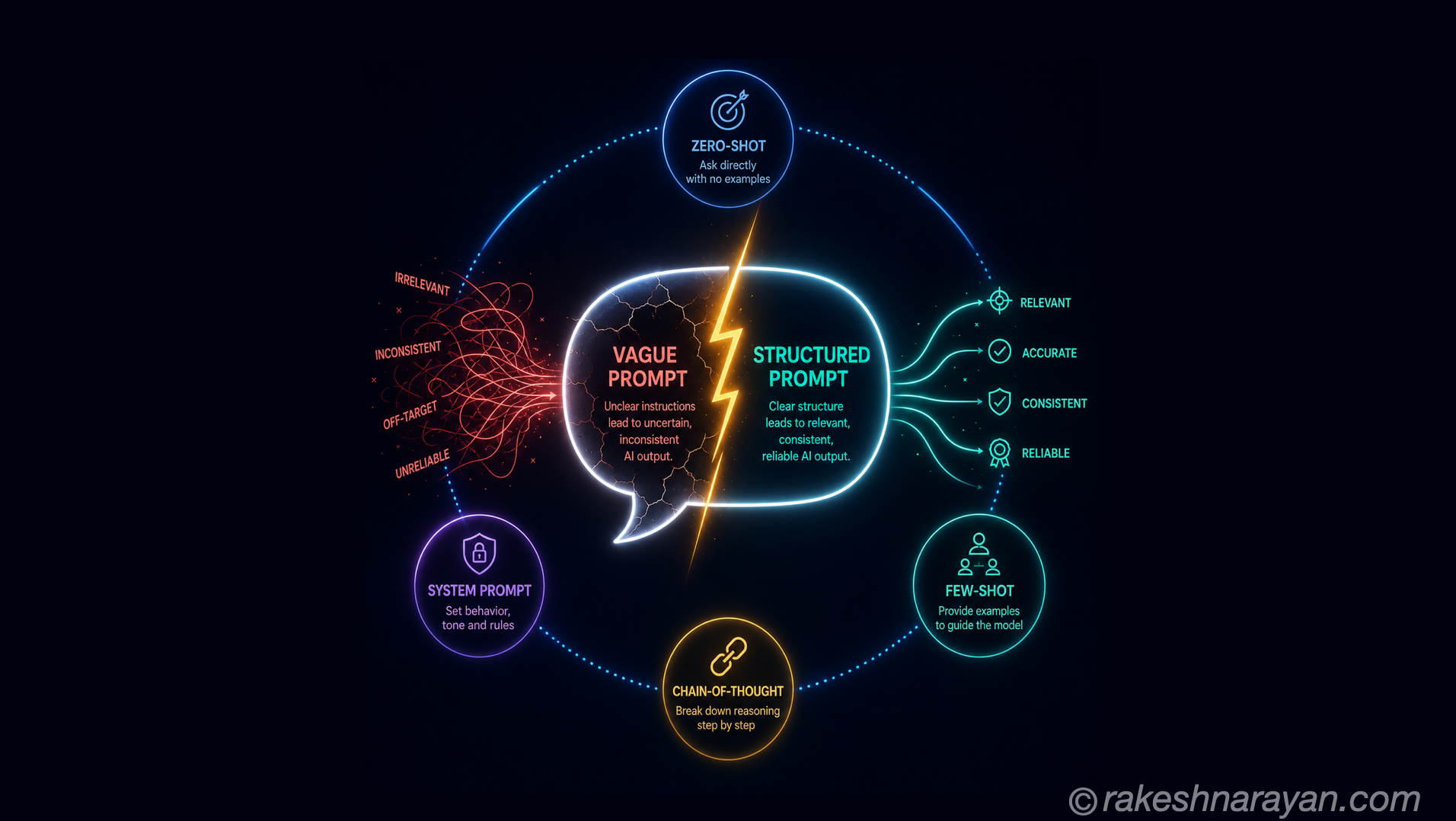
Structured prompts reduce AI errors by up to 76%. This post explains zero-shot, few-shot, chain-of-thought and system prompts with real before-and-after examples for every technique.
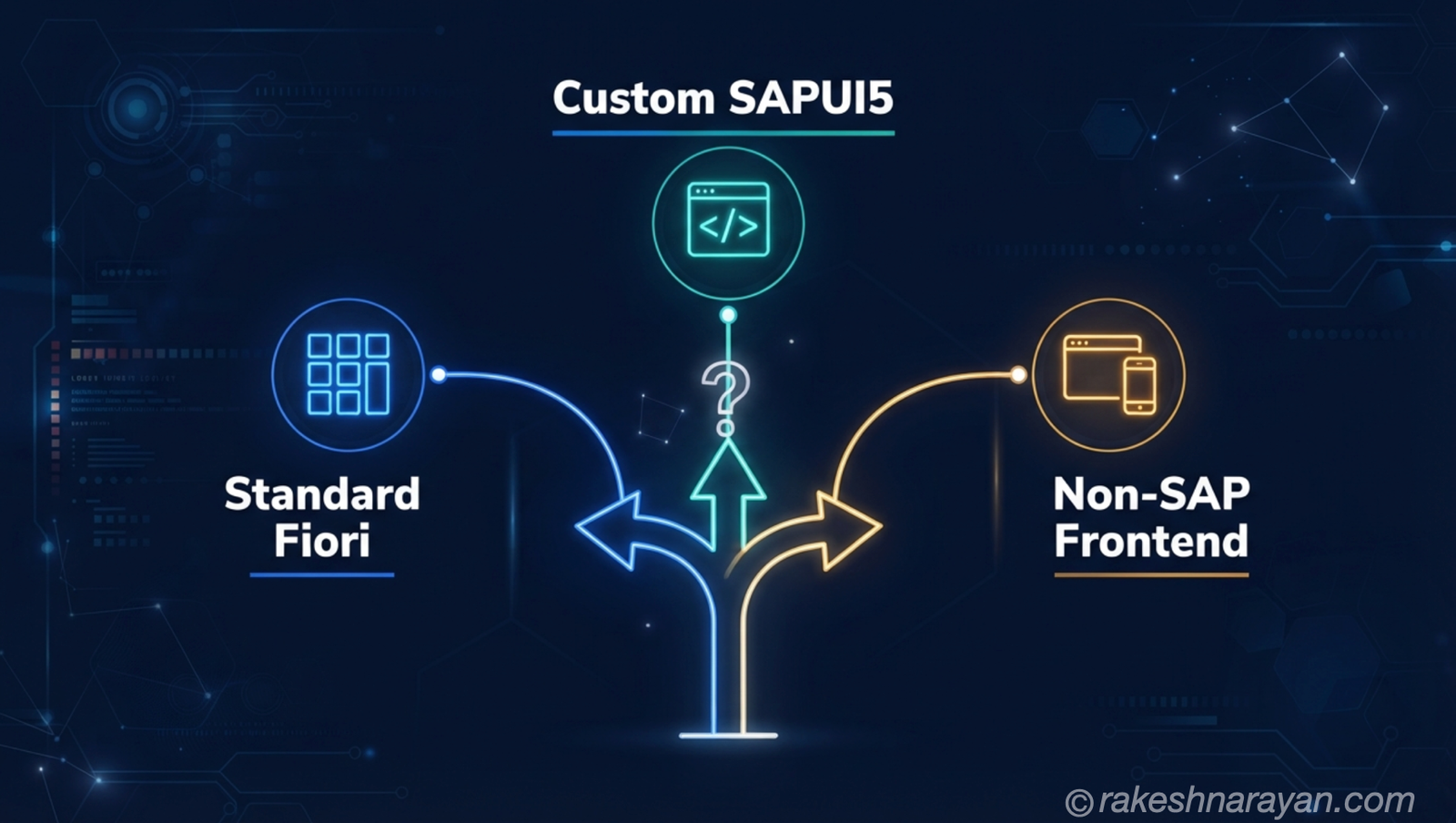
SAP Fiori is not always the right frontend. This post gives architects a clear decision framework for choosing standard Fiori, custom SAPUI5, or a non-SAP frontend.
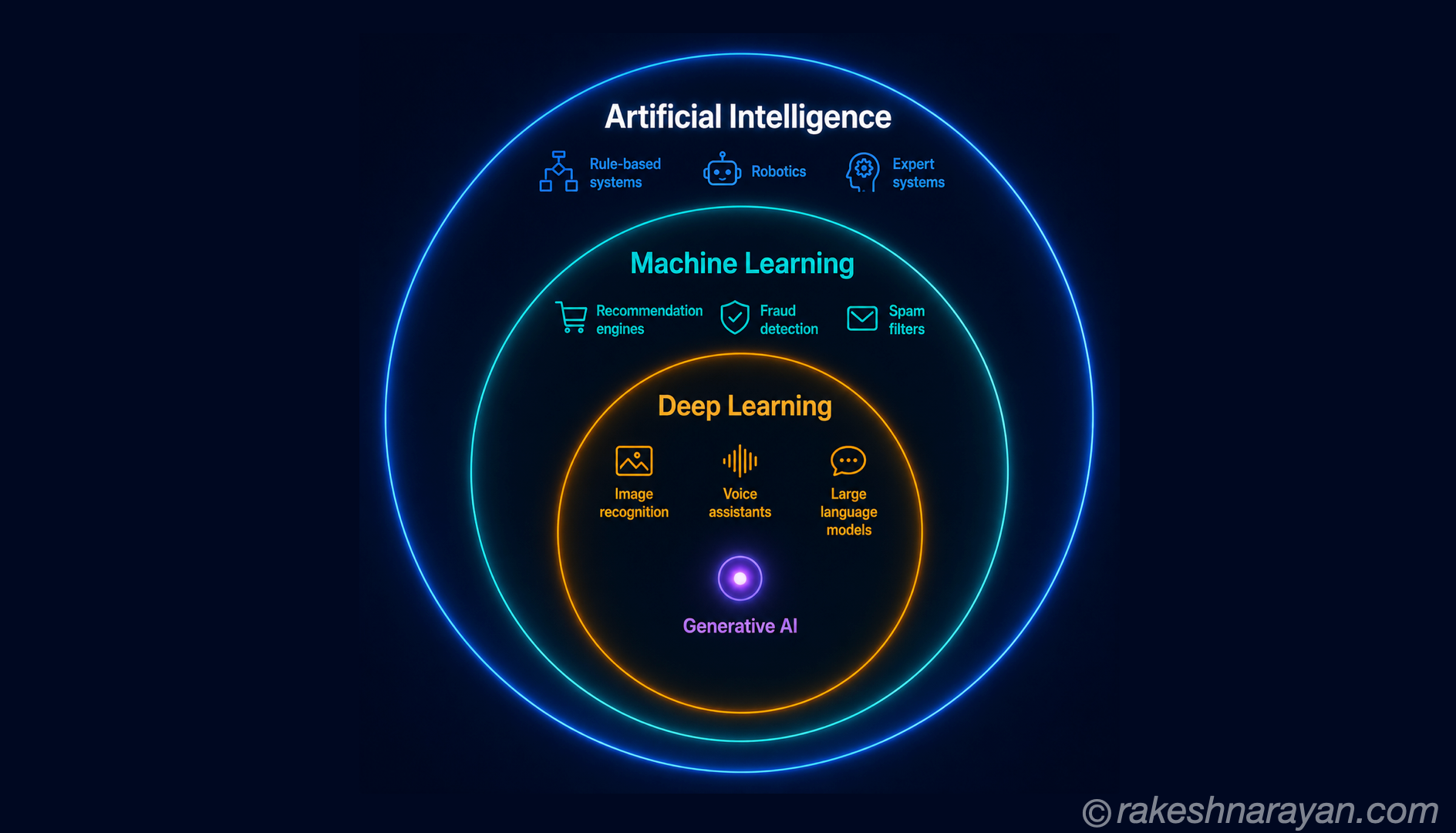
AI, machine learning and deep learning are different things — each is a subset of the previous. This post explains what each means, how they relate and where the real boundaries are.
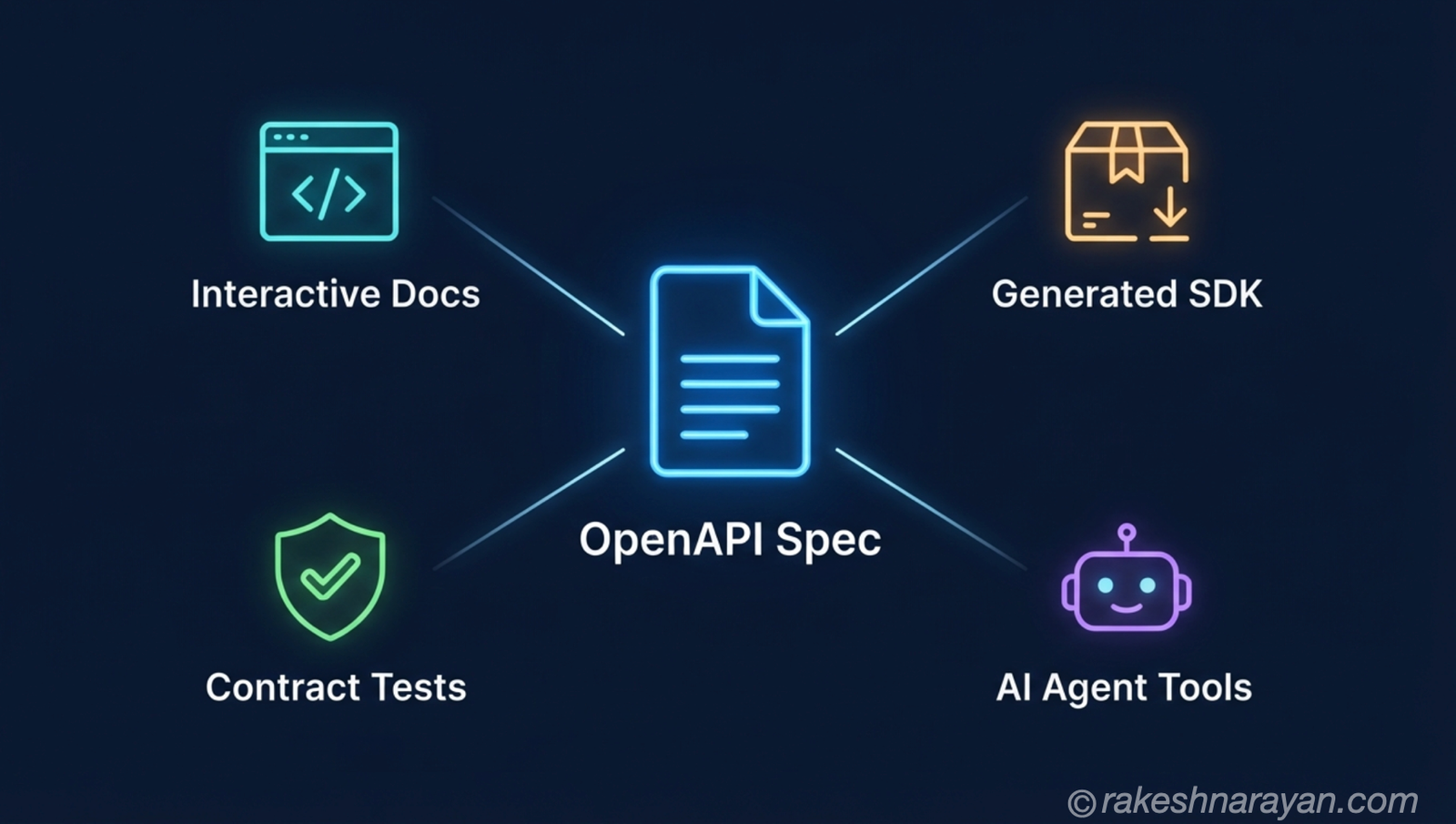
OpenAPI is the machine-readable contract behind modern API documentation, client SDKs, contract tests and now AI agent tools — here is what changed in the latest version.
No articles match your search.