Vector Databases Explained — How Semantic Search Works
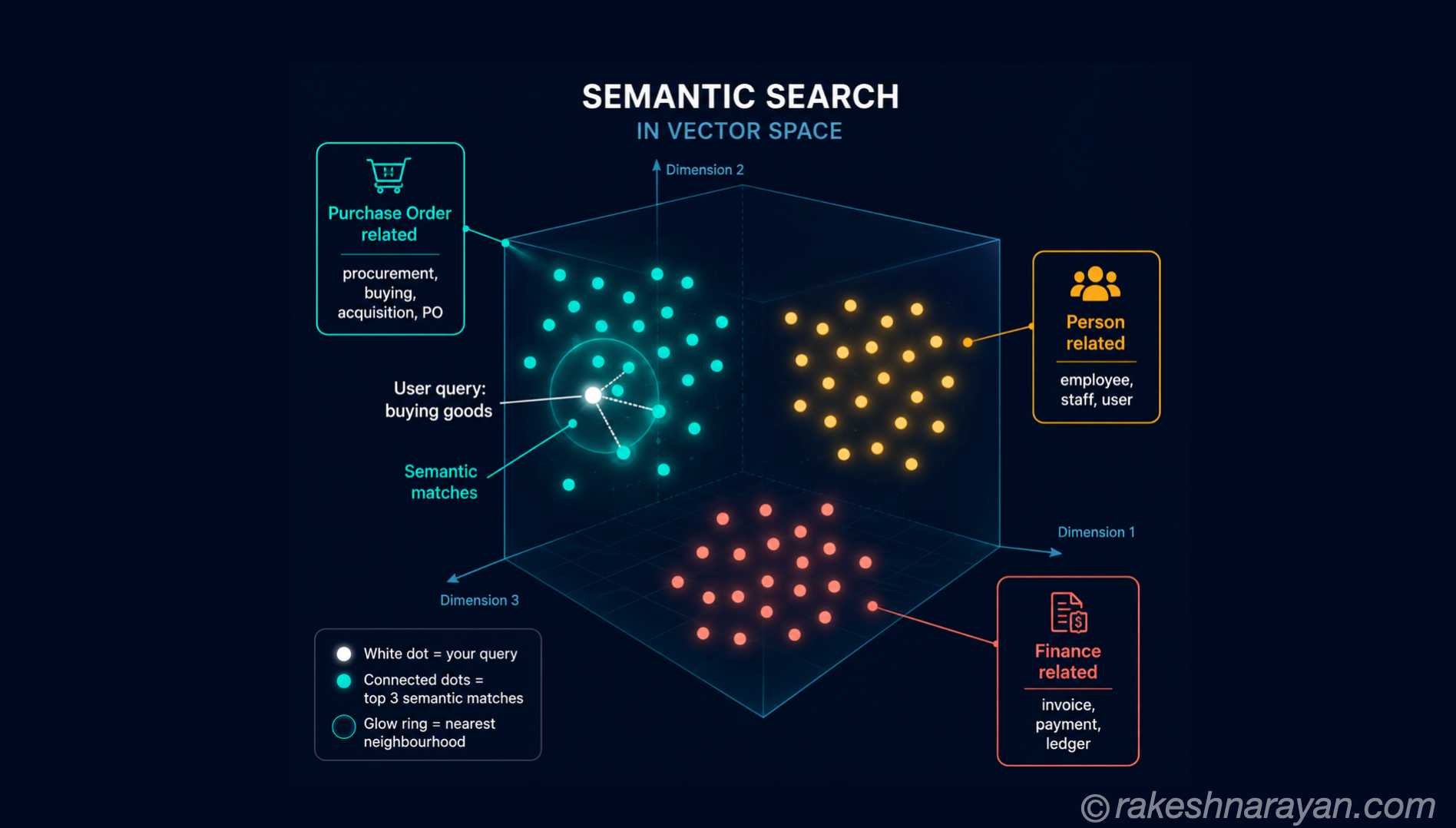
Every RAG system runs on a vector database. This post explains embeddings, semantic search and cosine similarity — no prior knowledge of AI or databases required.
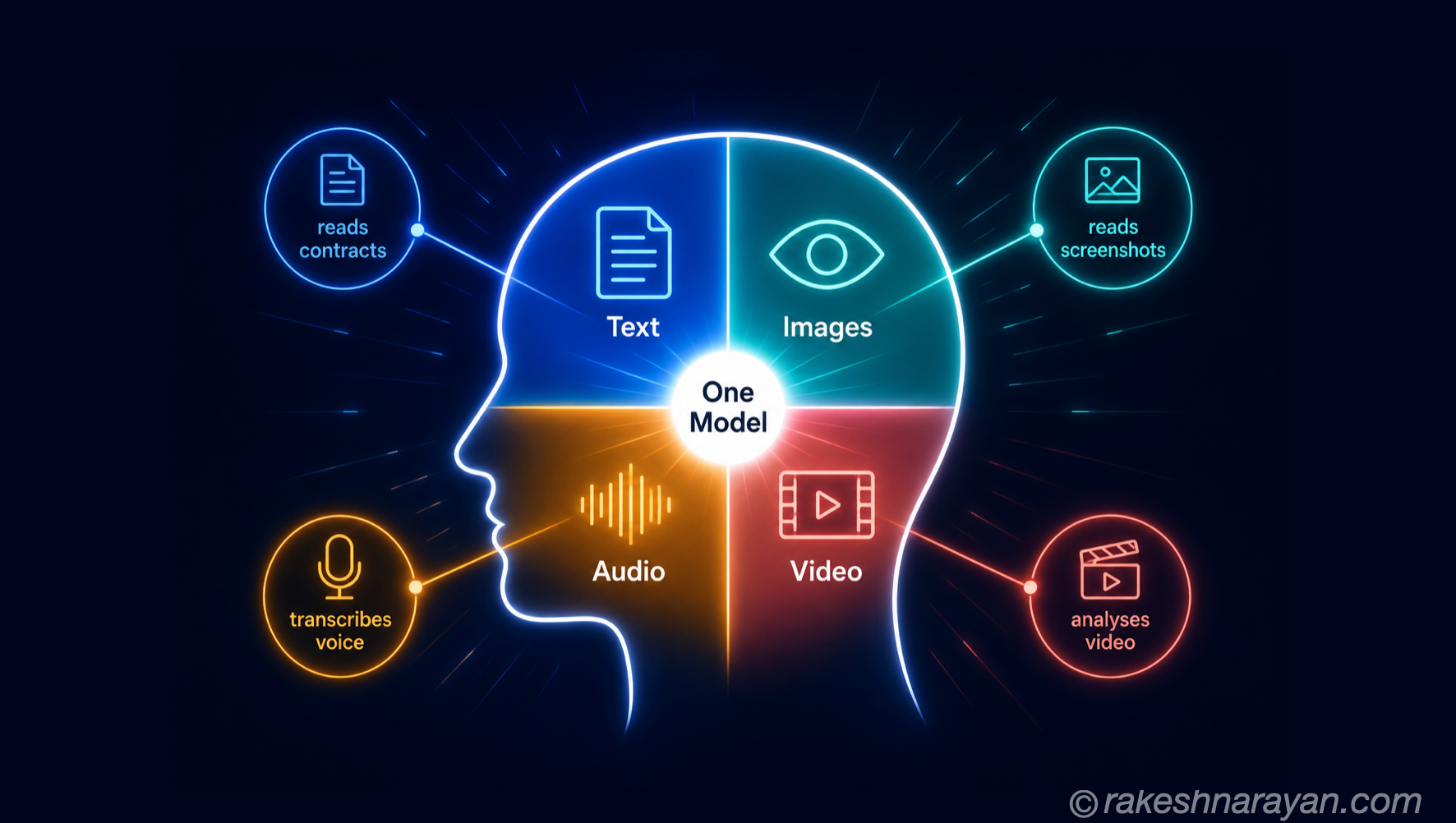
Multimodal AI processes text, images, audio and video in one model. This post explains how it works, why native multimodality matters and where it is already in use.
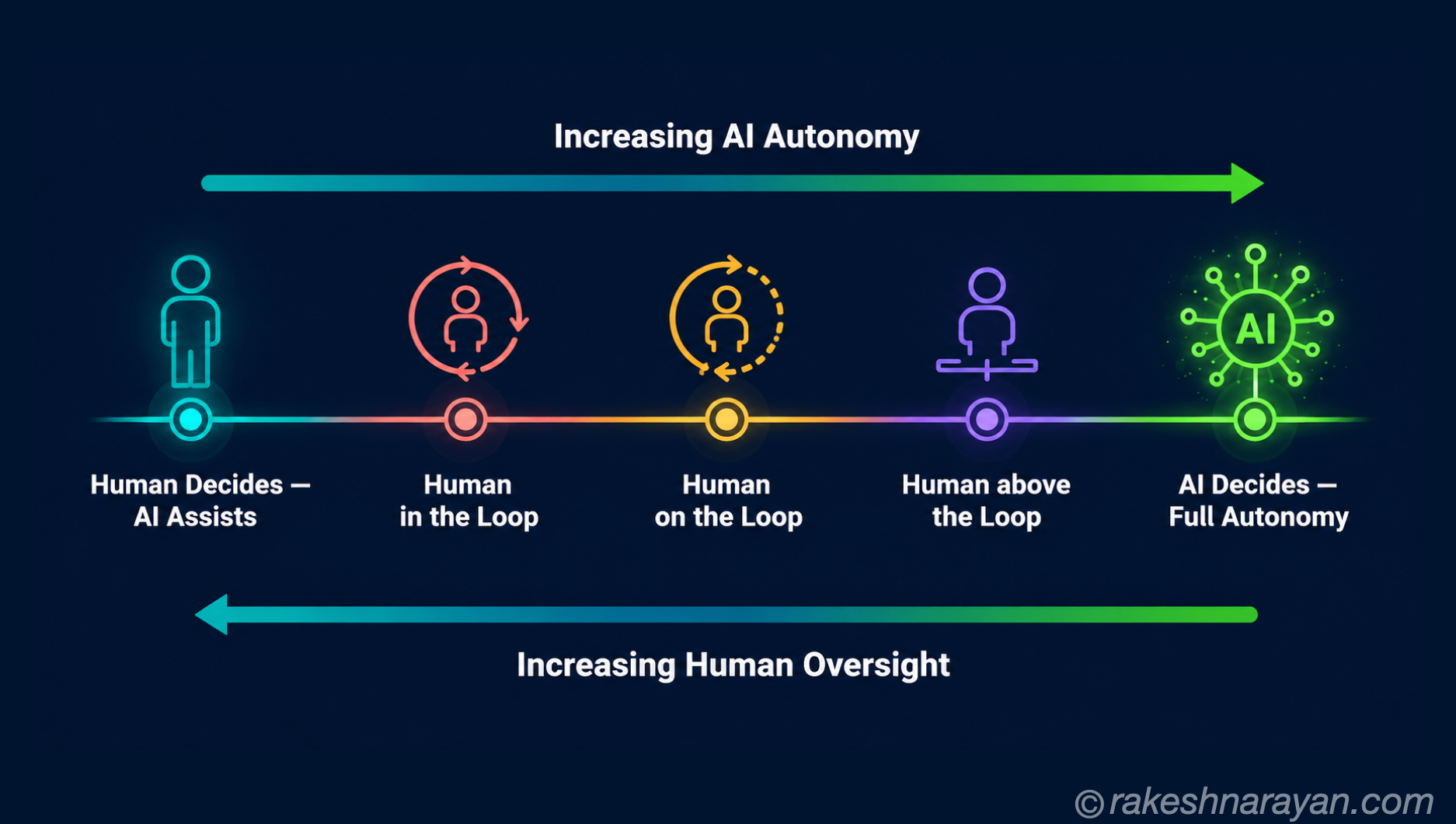
Not all AI acts on its own. This post explains the autonomy spectrum — from reactive assistants to fully autonomous agents — and where human oversight fits in between.
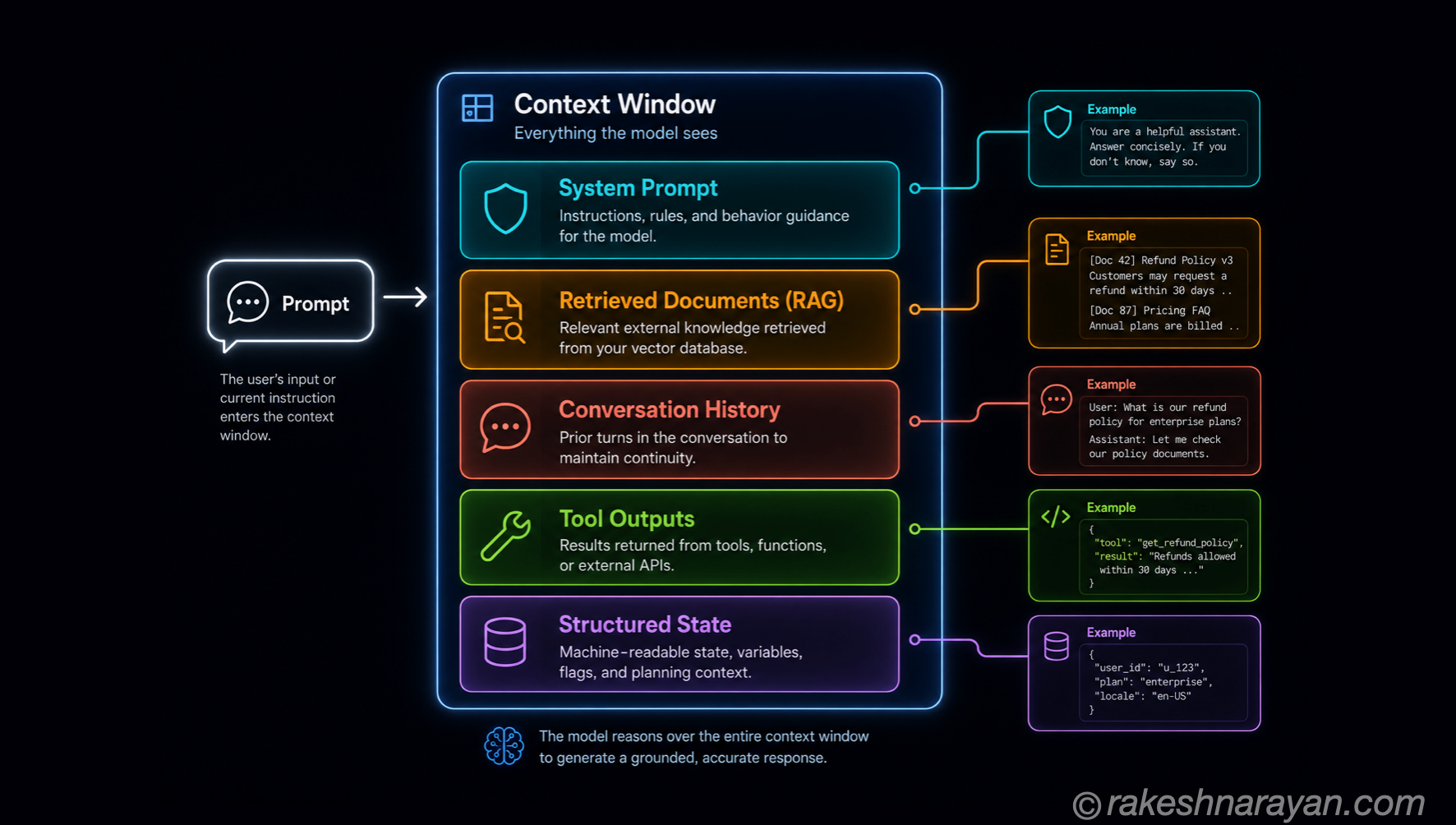
Context engineering is the layer prompt engineering can't cover. Learn what it is, why it matters for production AI, and how to apply it — with SAP examples.
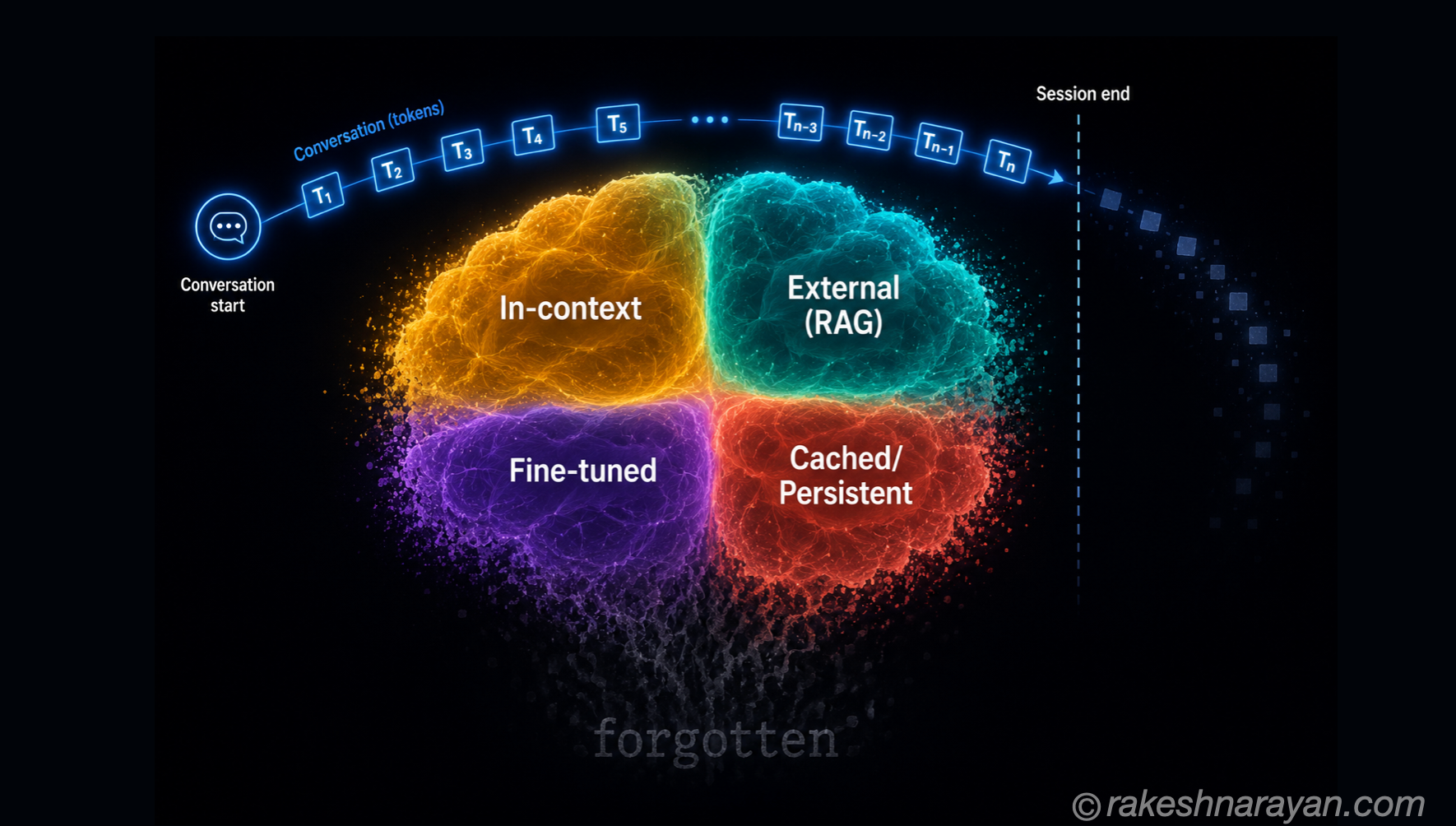
LLMs don't truly remember. This post explains how context windows work, why AI forgets between sessions, and the four memory types that real AI systems use to work around it.
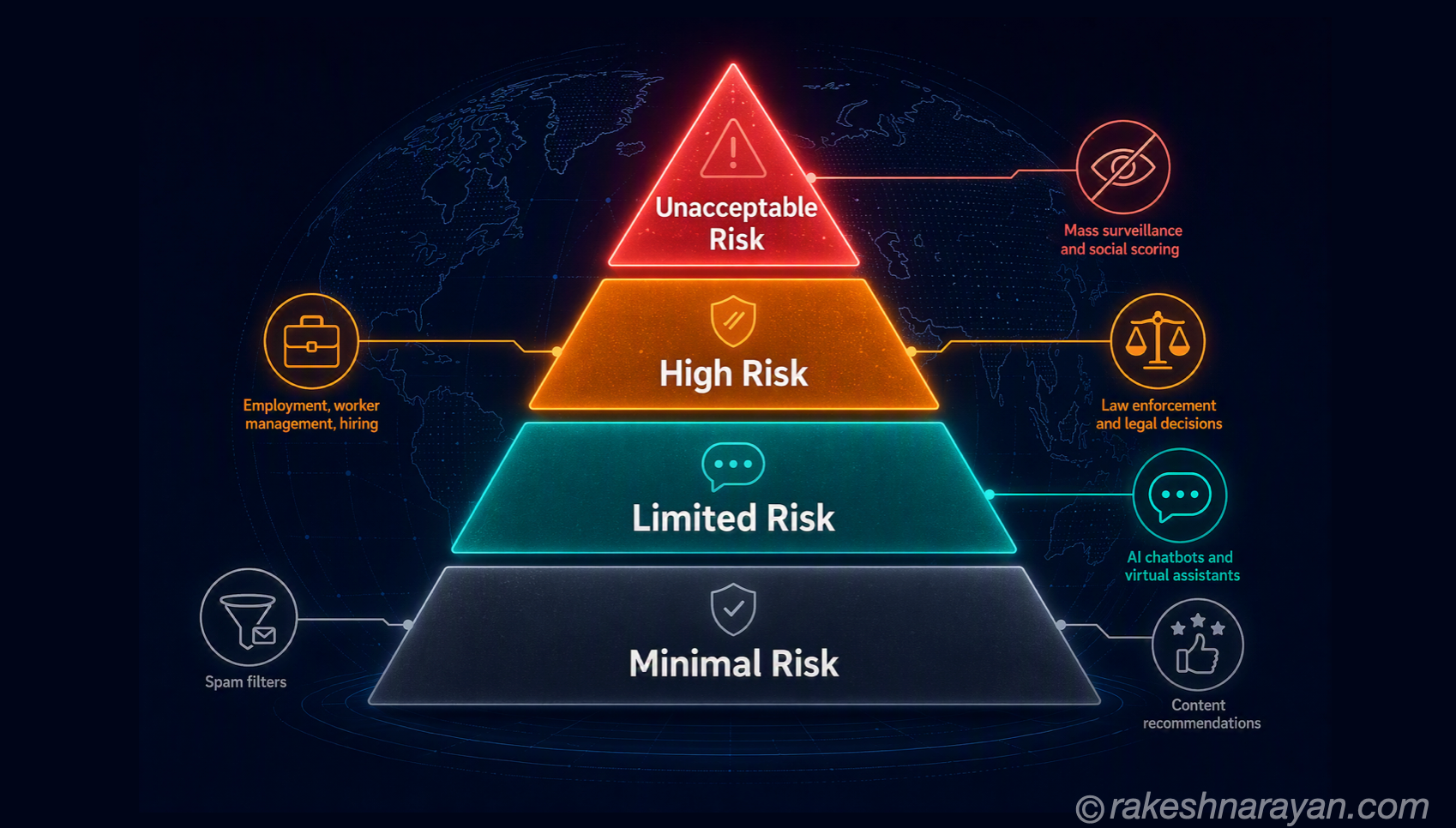
AI regulation looks different everywhere, but the logic is identical. This post explains the risk-based model behind the EU AI Act and why regulators worldwide are copying it.
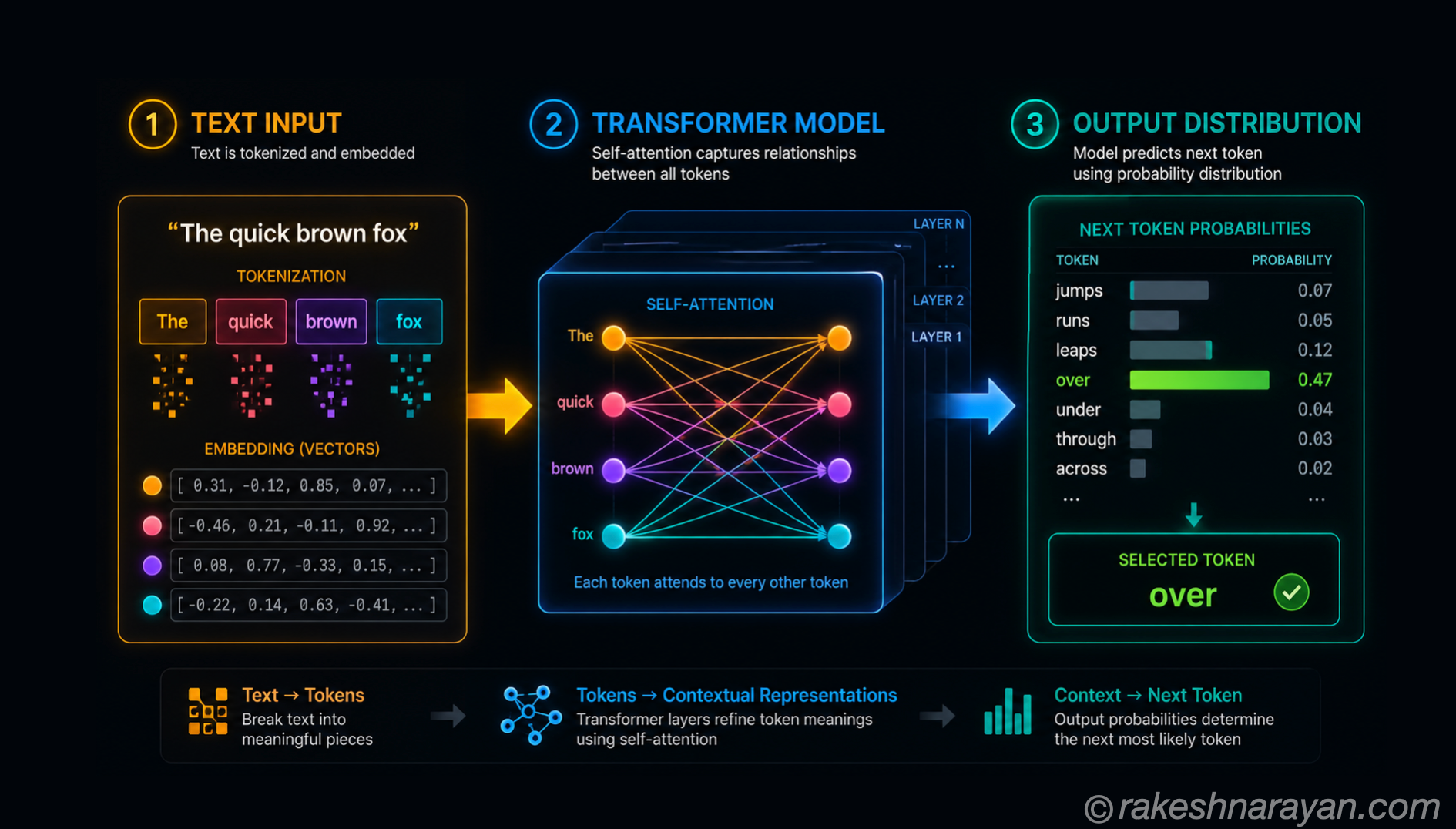
This post explains how generative AI works — tokens, embeddings, the transformer and self-attention. The mechanics behind every LLM, explained without a single equation.
Fine-tuning, prompt engineering and RAG each solve a different problem. Pick the wrong one and you waste time and money. This post explains what each does and when to use it.
78% of organisations use AI. But what are they actually doing? This post maps real enterprise AI in 2026 — copilots, code generation, knowledge search, process automation and agents — where it works and where it fails.
No articles match your search.