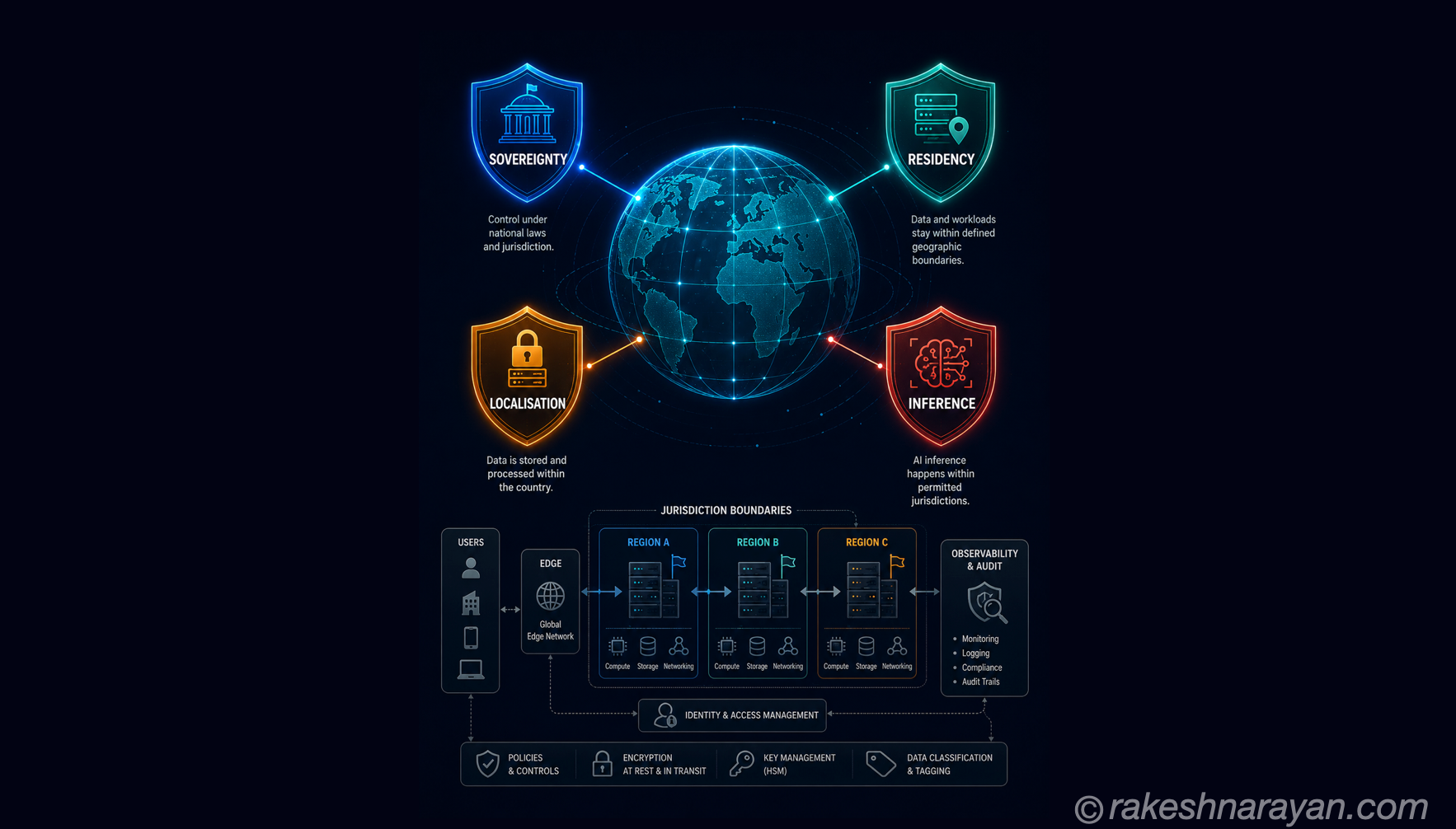
AI Data Sovereignty — The Three Concepts That Matter
AI workloads create data flows most enterprises have never governed. This post explains data sovereignty, residency and localisation — and why the difference matters for your AI deployments.
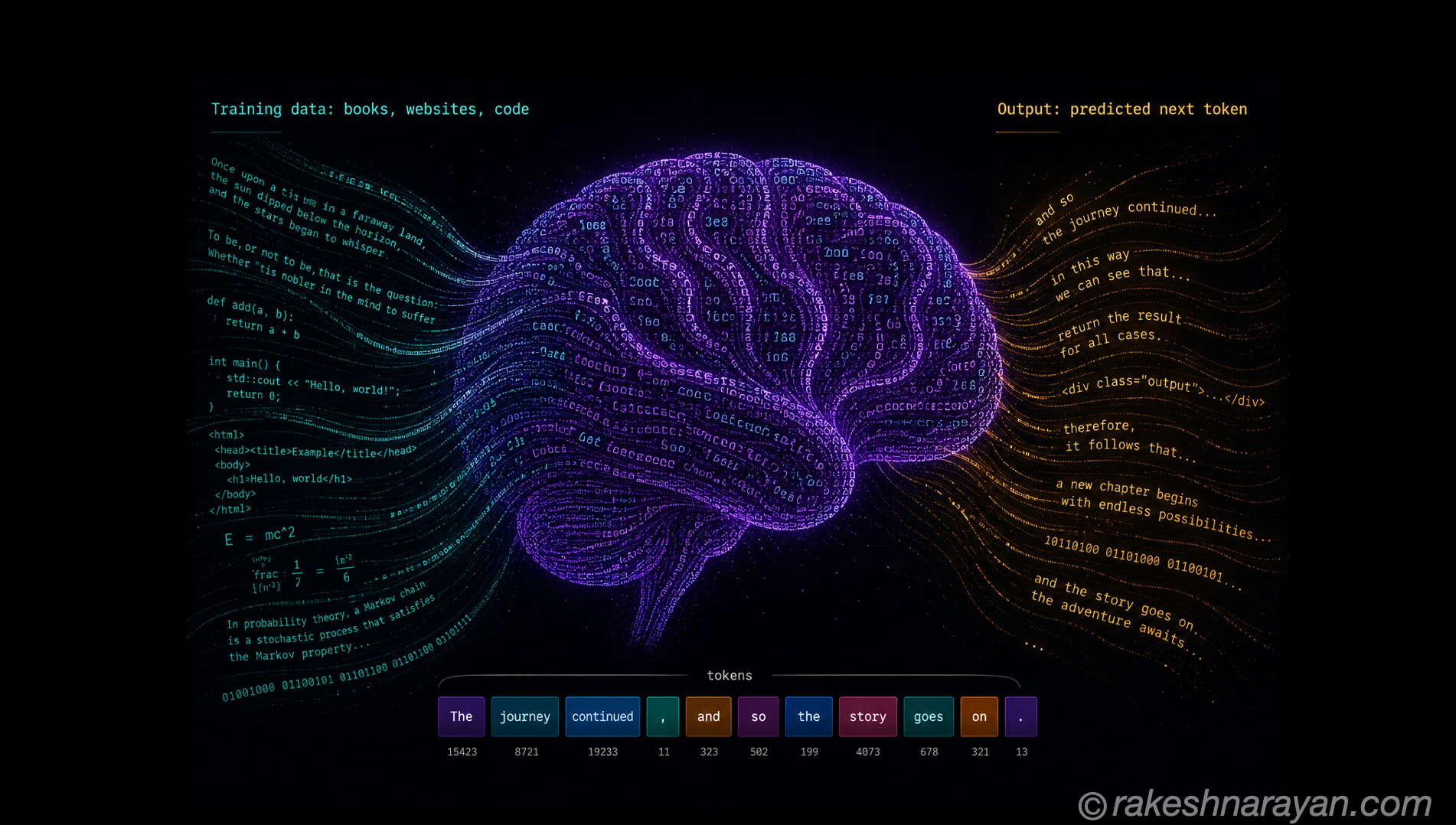
ChatGPT, Claude, Gemini, Joule — they are all powered by large language models. But what is an LLM actually doing when it responds to you? This post explains what an LLM is, how it is trained, what tokens and embeddings mean, and why LLMs predict rather than think — clearly, without the academic language.
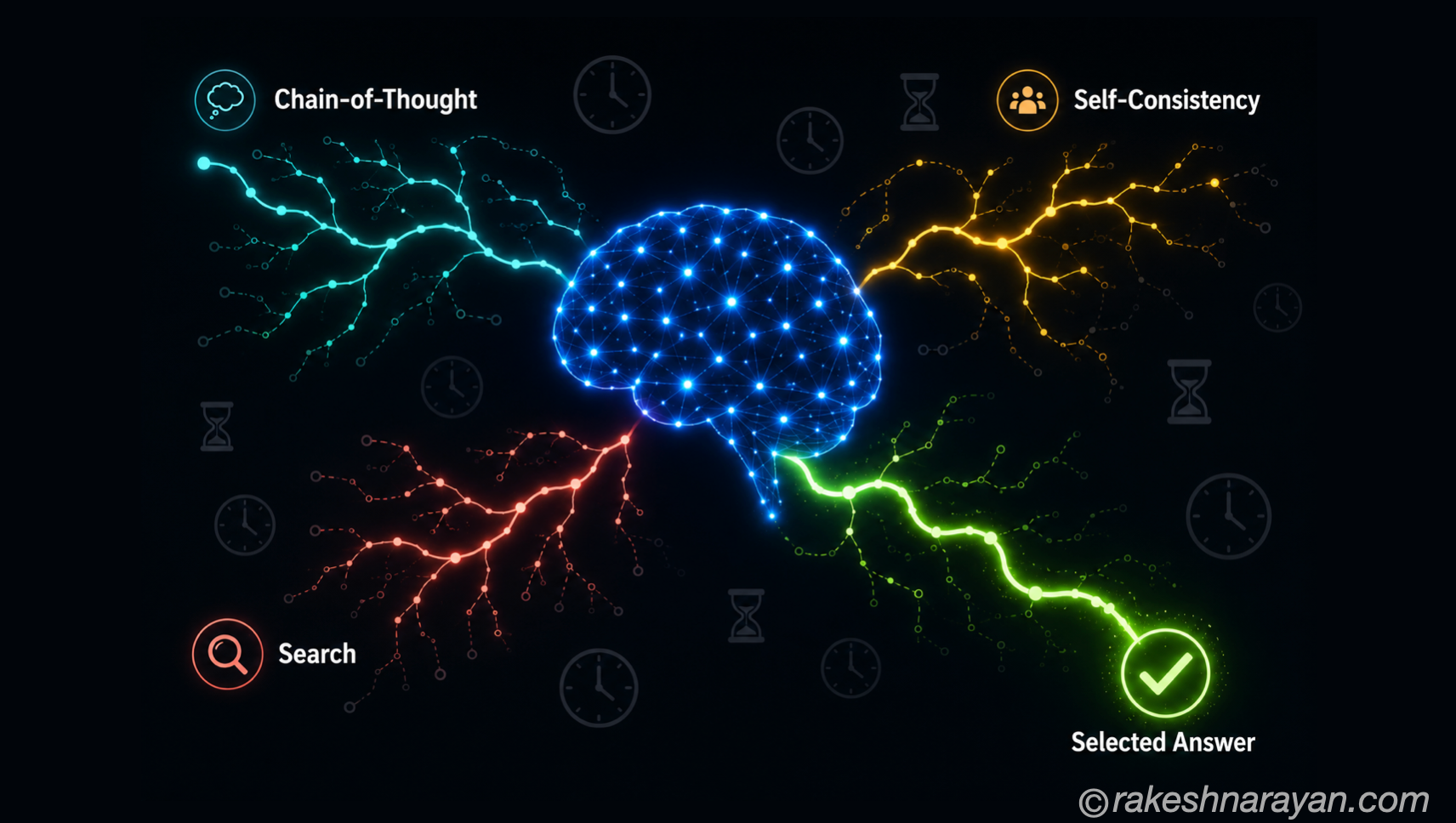
Test-time compute lets AI models think longer before answering. Here's how chain-of-thought, RL training and thinking budgets actually work — and when it's worth paying for.
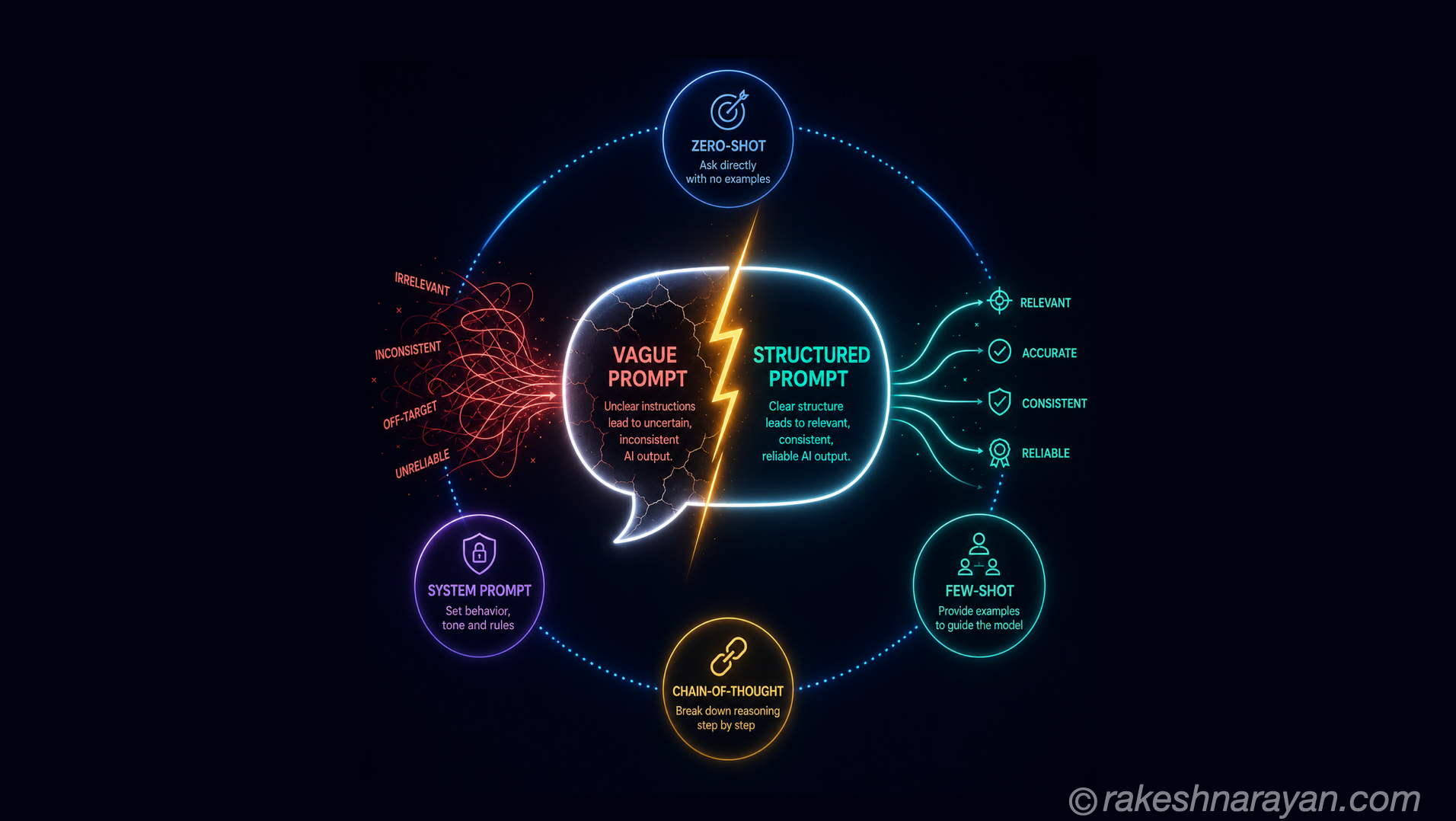
Structured prompts reduce AI errors by up to 76%. This post explains zero-shot, few-shot, chain-of-thought and system prompts with real before-and-after examples for every technique.
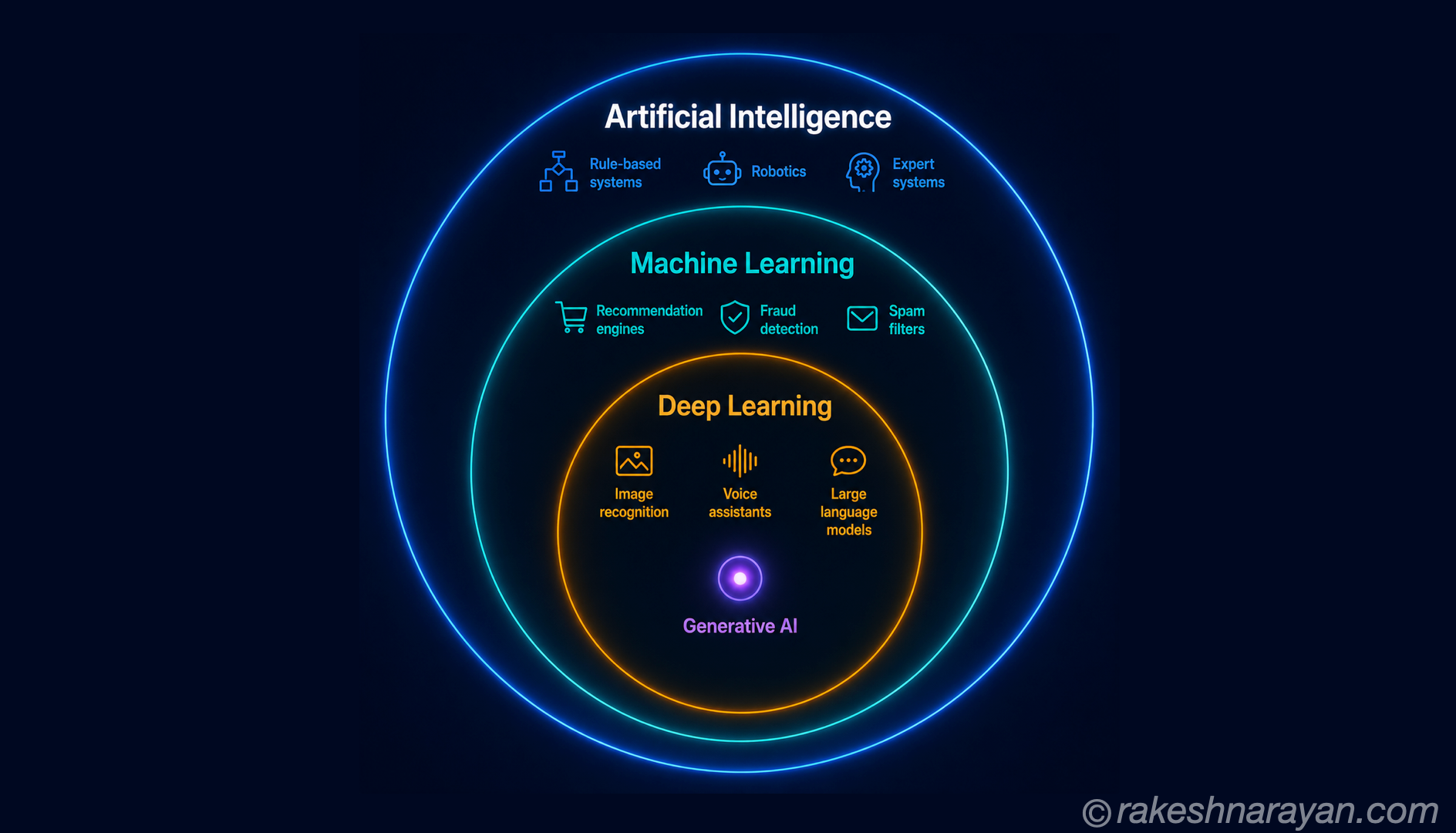
AI, machine learning and deep learning are different things — each is a subset of the previous. This post explains what each means, how they relate and where the real boundaries are.
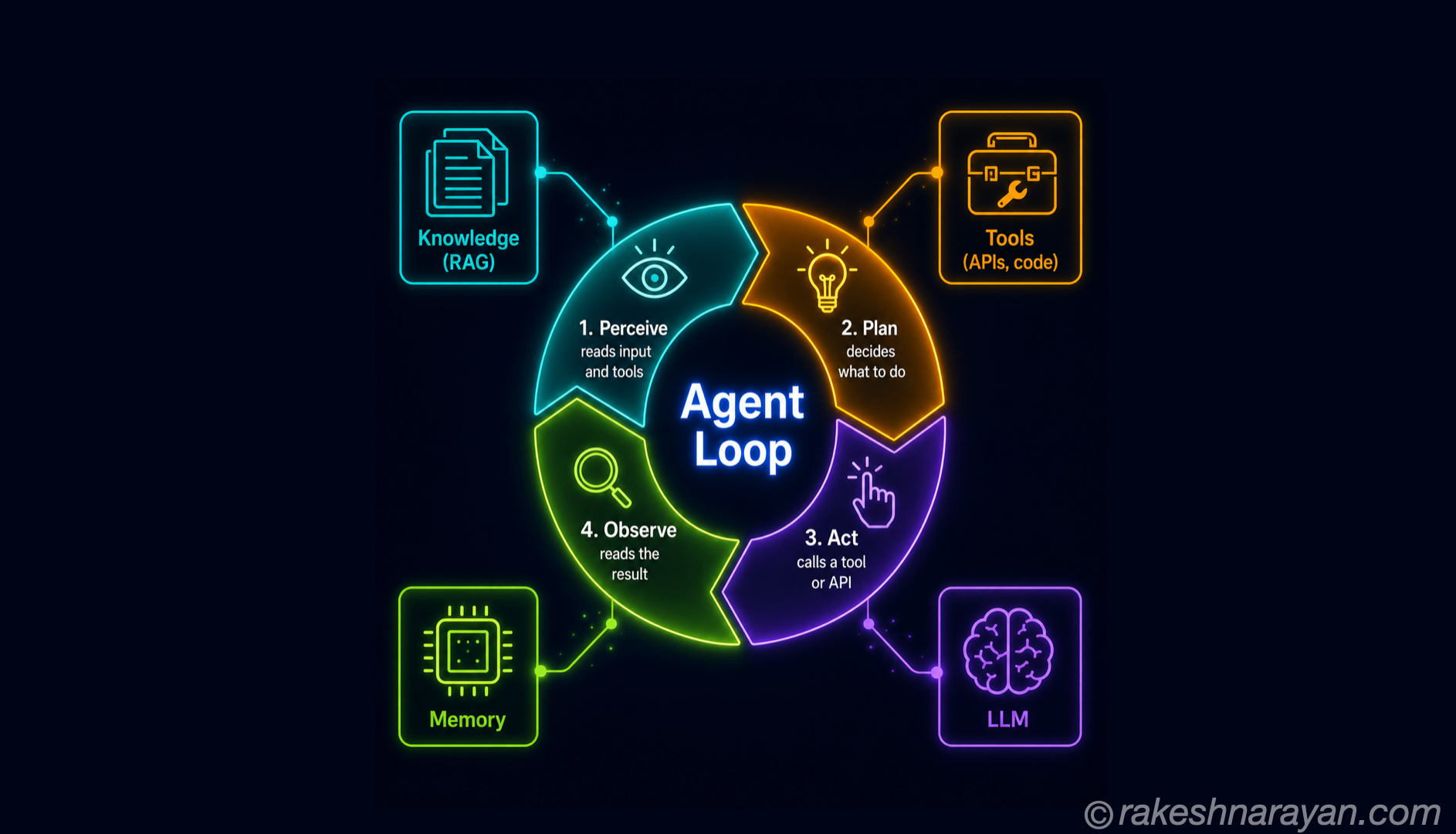
Chatbot, copilot, agent — these three words get used interchangeably in 2026 but they mean very different things. This post explains what an AI agent actually is, what separates it from a simple chatbot, how the planning loop works, what tools and memory do, and where agents succeed and fail in practice — without the hype.
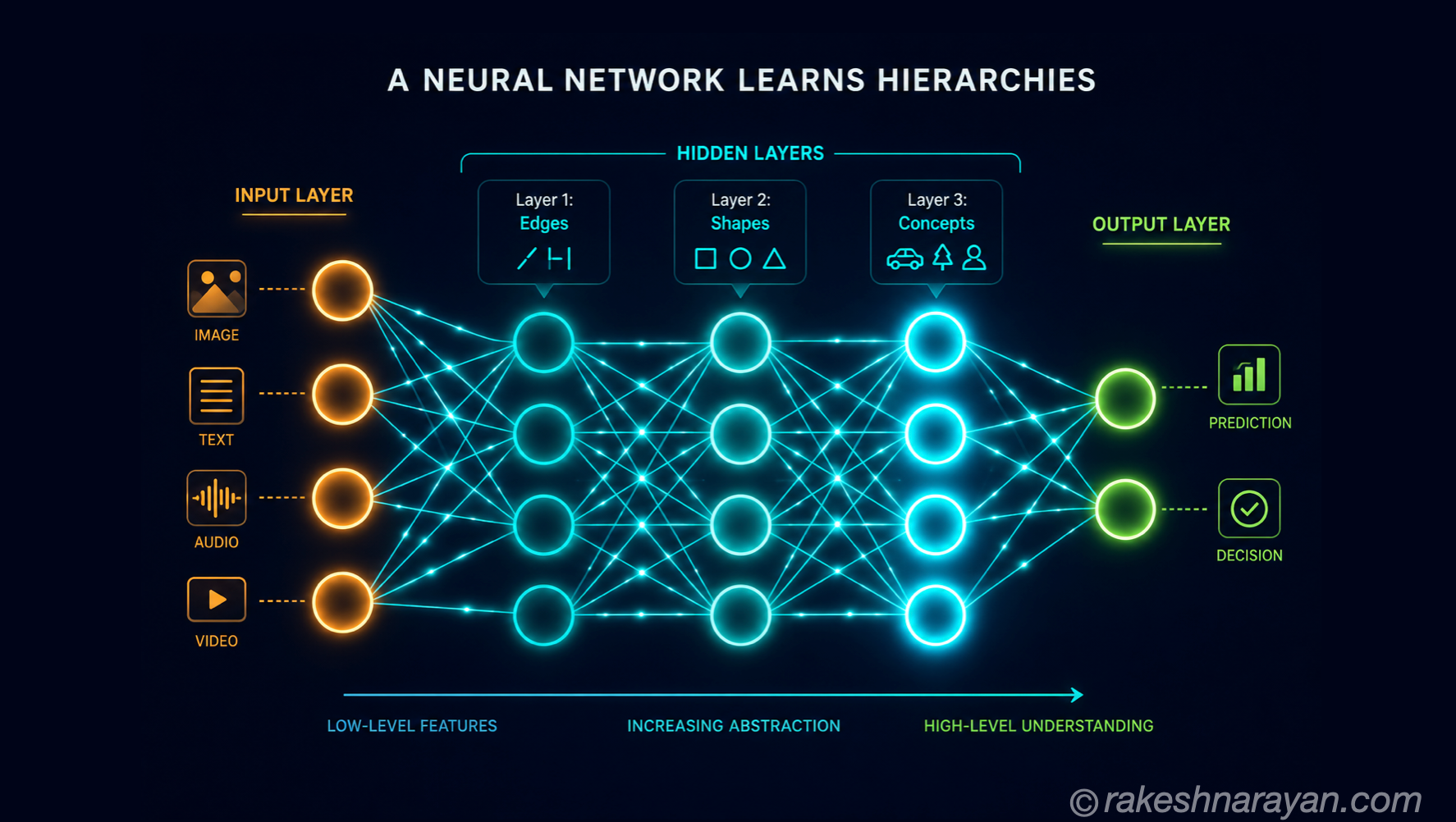
Neural networks are the engine behind every modern AI model. This post explains what a neuron does, how layers learn, and why depth matters — no equations.
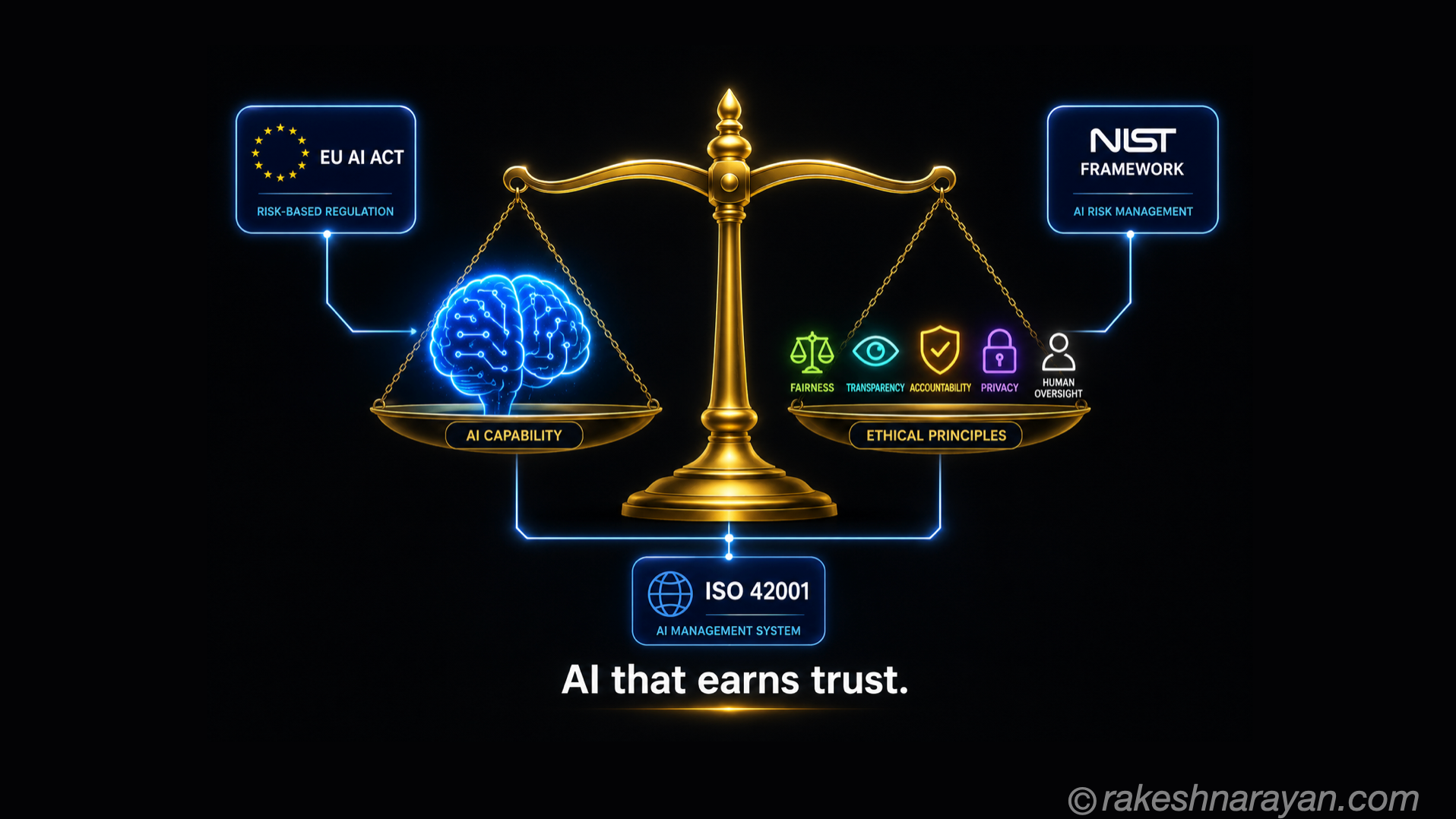
AI makes consequential decisions. This post explains responsible AI — fairness, bias, transparency, accountability and what EU AI Act means for organisations.
No articles match your search.