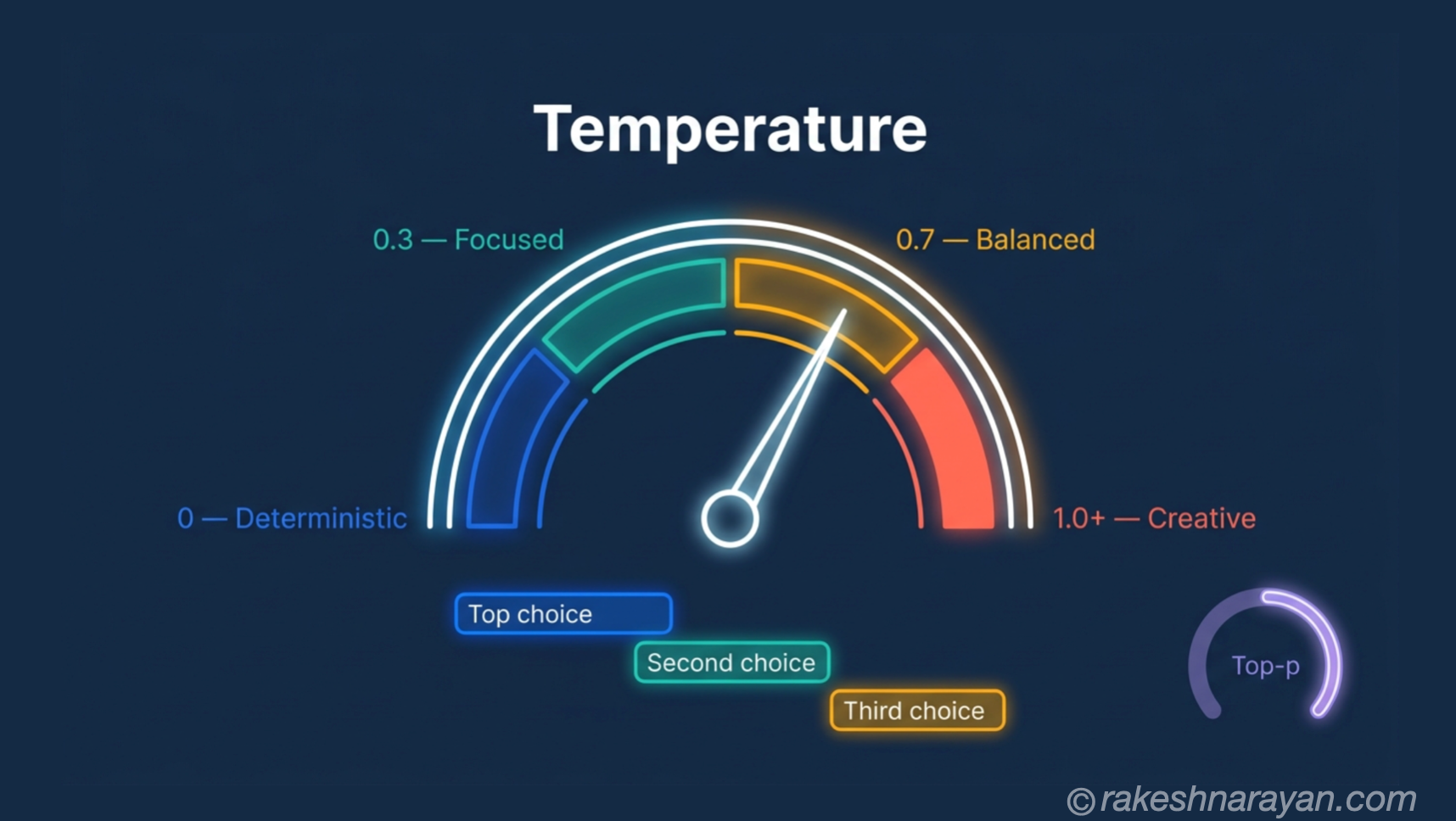
Temperature and Top-p — Controlling LLM Output
Temperature, top-p and top-k decide how an LLM picks every word it generates. This post explains what each setting does, how they interact, and what to set for your task.
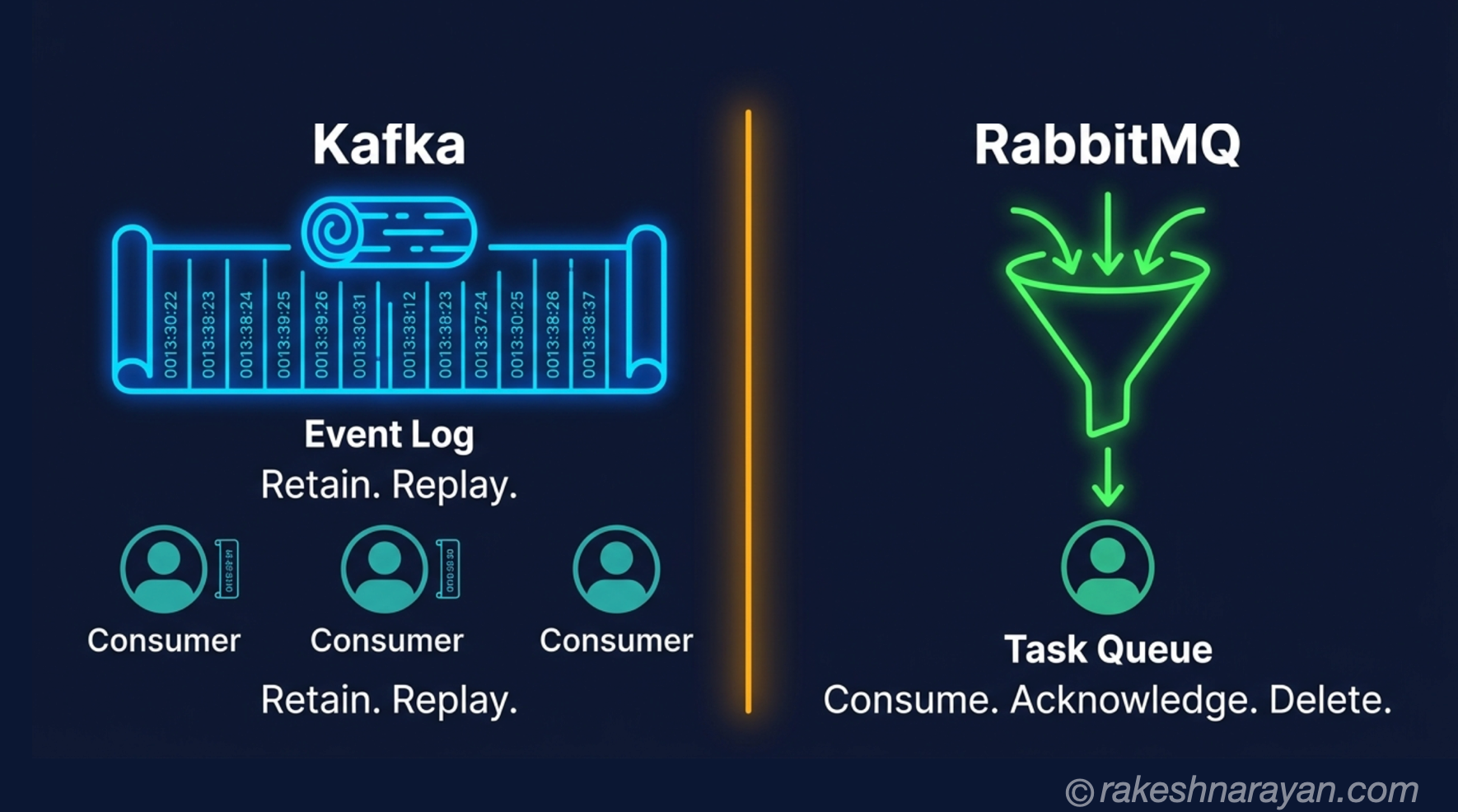
Kafka and RabbitMQ solve different problems. This post breaks down the log vs queue mental model, shows when each tool wins, and gives you an opinionated decision guide.
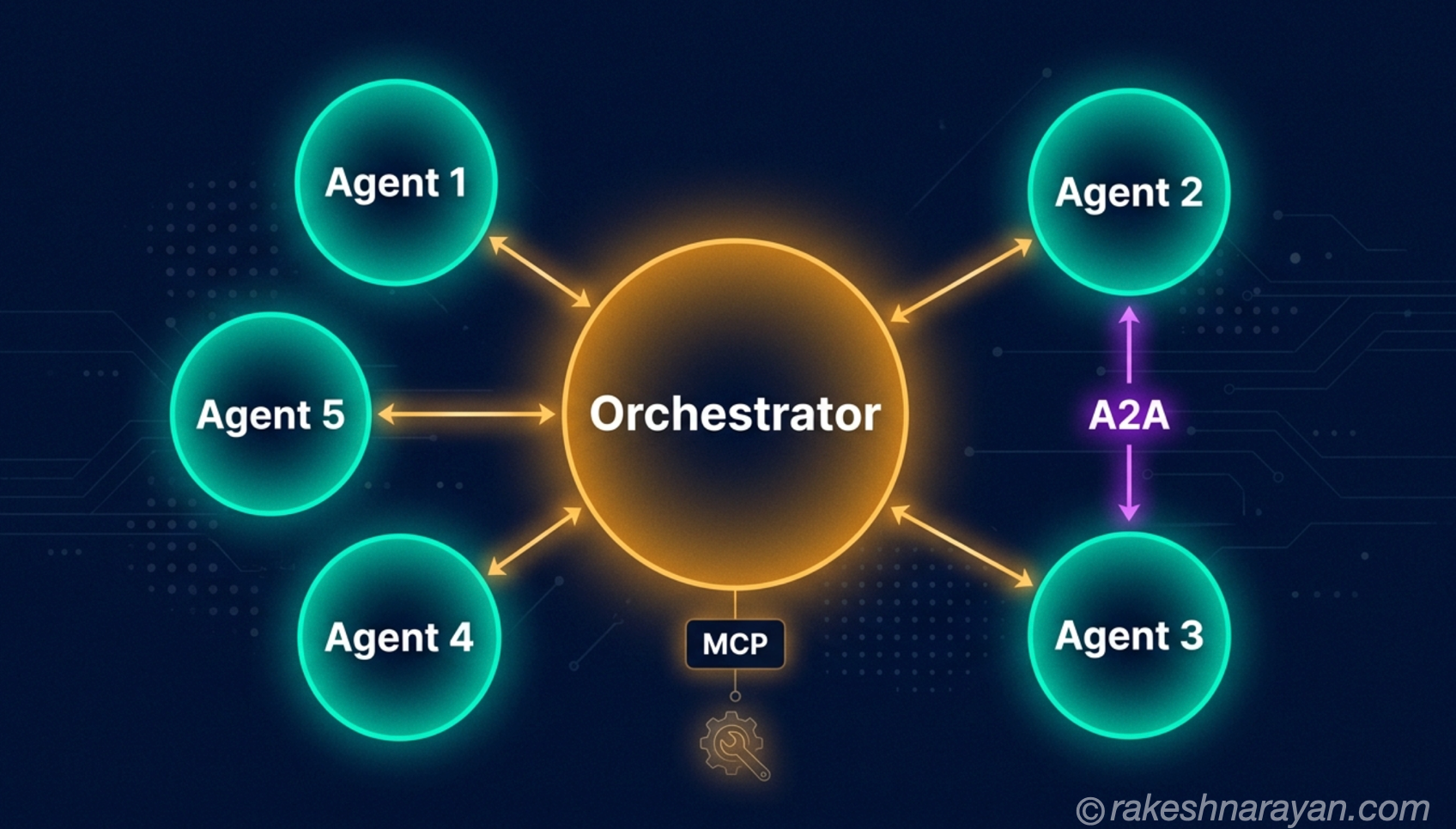
When one AI agent isn't enough, multi-agent systems take over. This post explains how orchestration, MCP and A2A actually work — and where these systems fail in production.
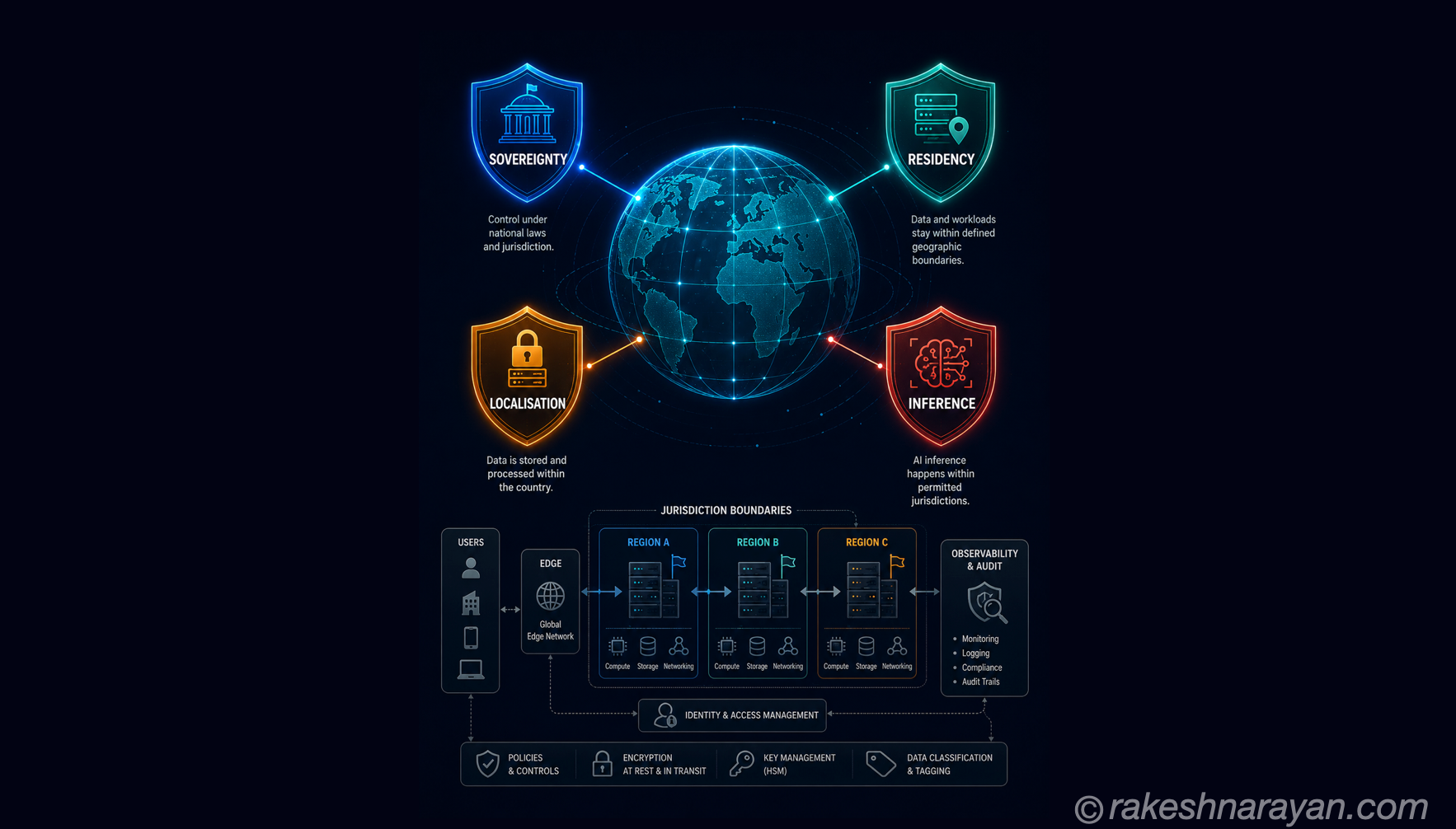
AI workloads create data flows most enterprises have never governed. This post explains data sovereignty, residency and localisation — and why the difference matters for your AI deployments.
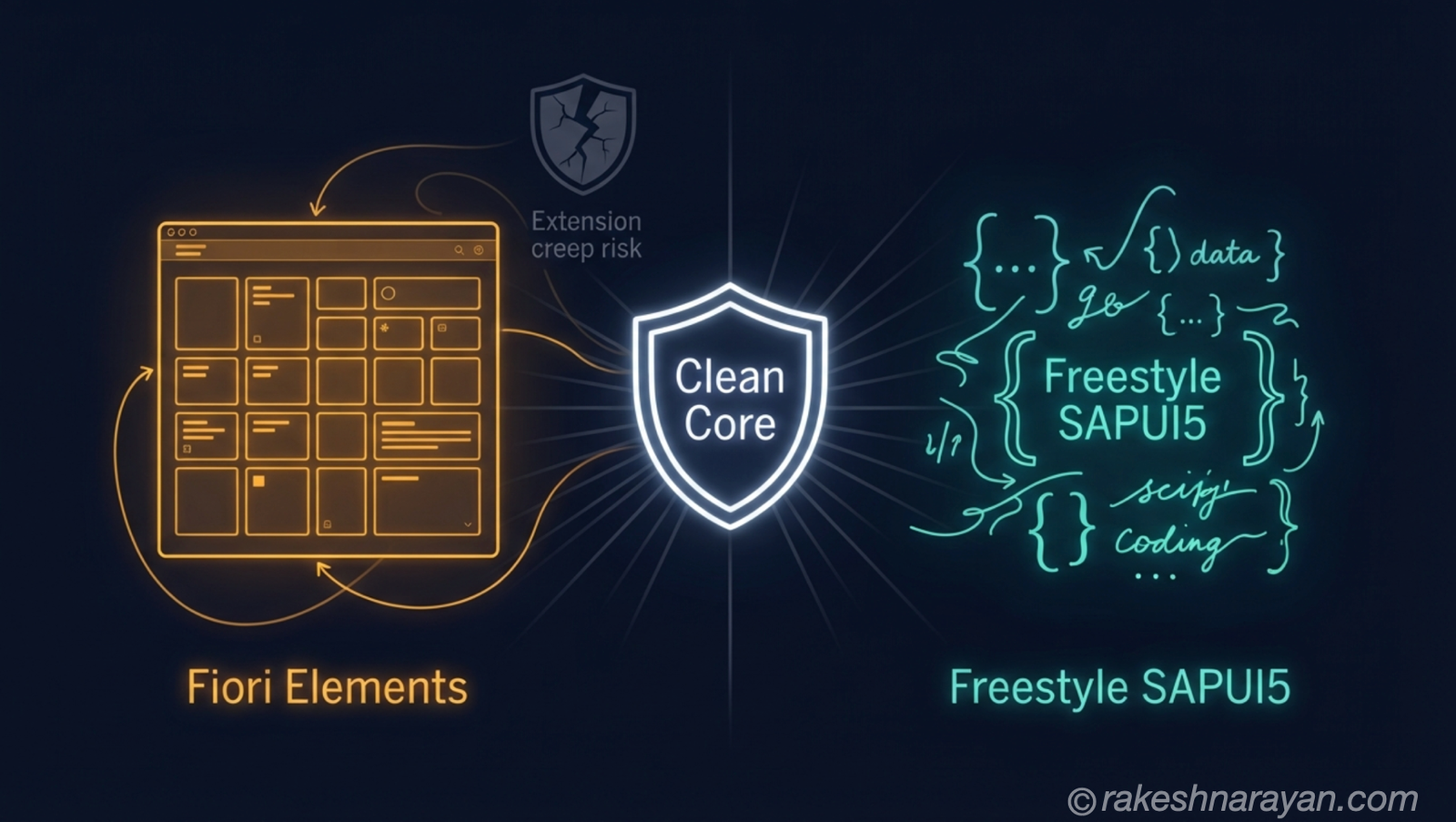
Fiori Elements keeps custom logic off the core. Freestyle SAPUI5 can too, or it can quietly break Clean Core. Here is the trade-off architects need to weigh.
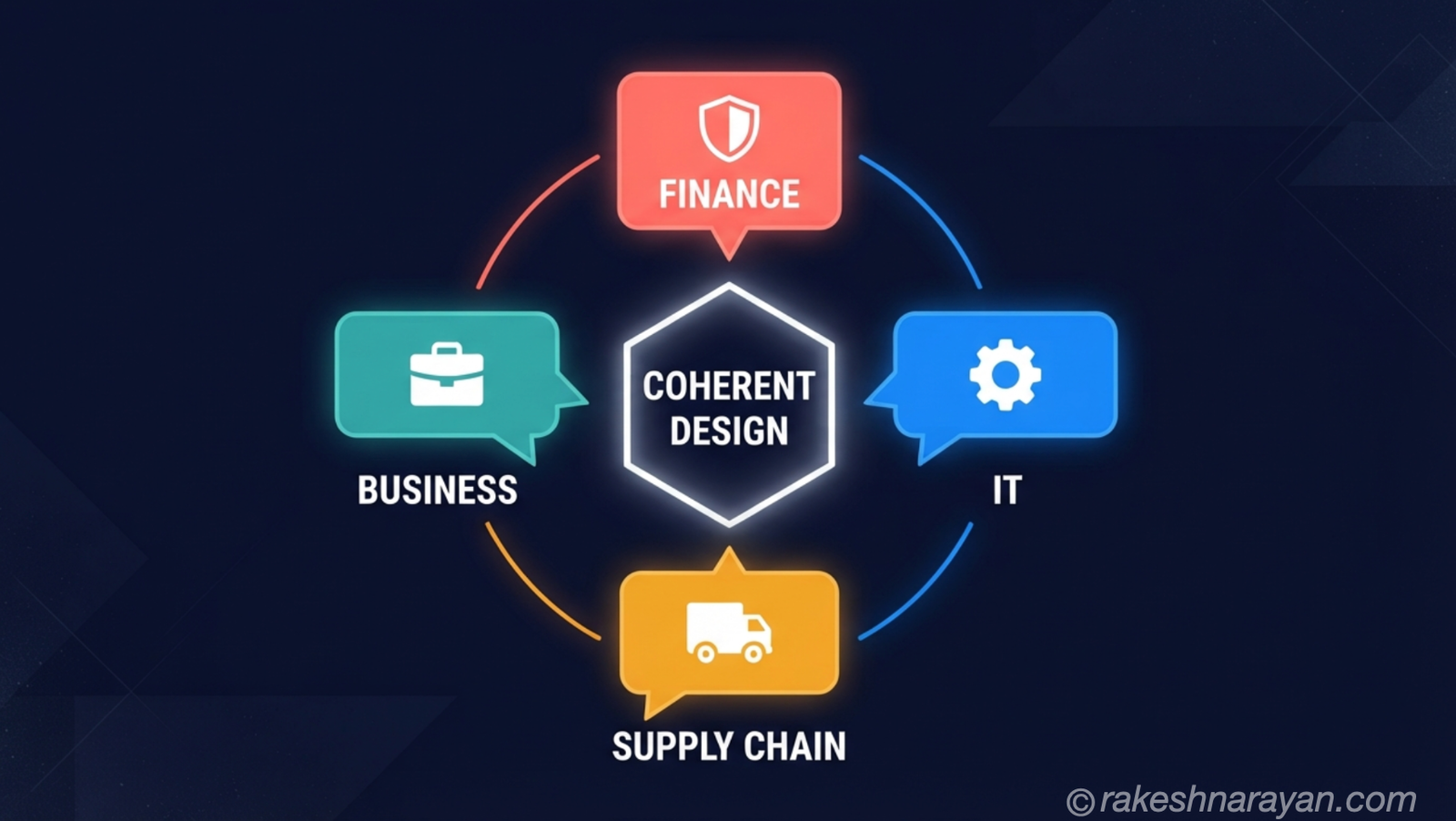
SAP fit-gap analysis stalls when business, IT and finance disagree. This post shows how to separate positions from real needs and keep the design coherent.
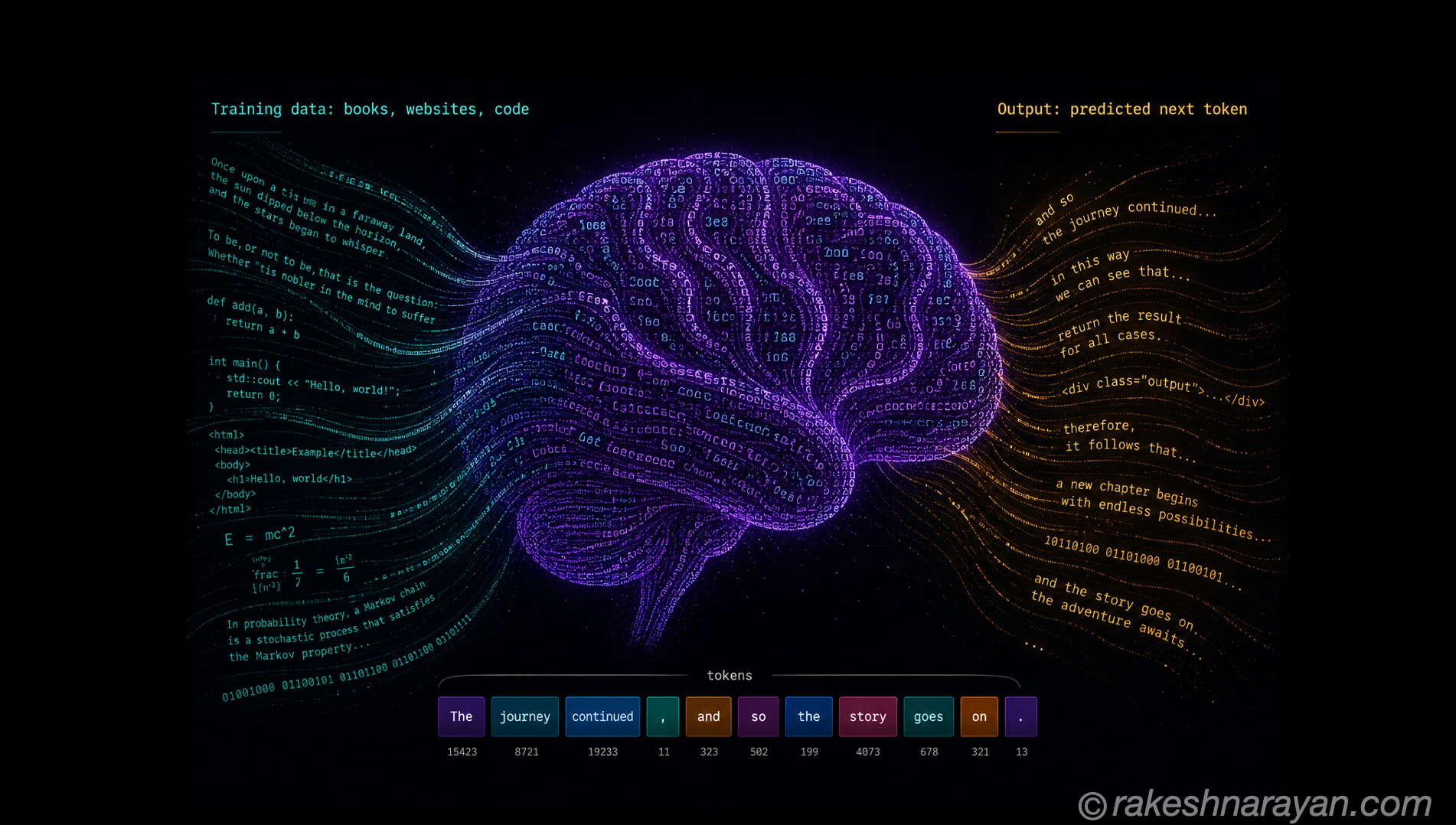
ChatGPT, Claude, Gemini, Joule — they are all powered by large language models. But what is an LLM actually doing when it responds to you? This post explains what an LLM is, how it is trained, what tokens and embeddings mean, and why LLMs predict rather than think — clearly, without the academic language.
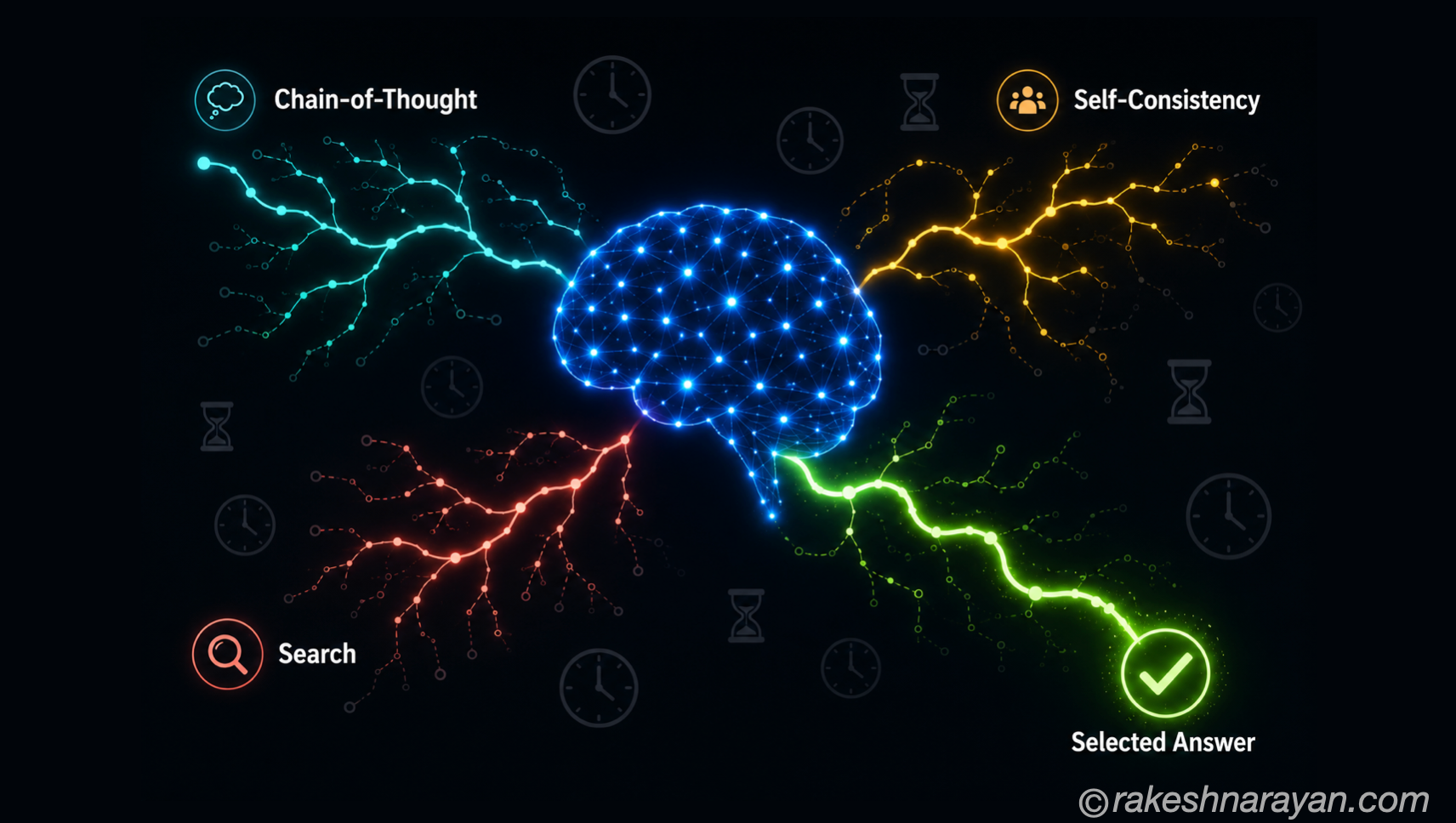
Test-time compute lets AI models think longer before answering. Here's how chain-of-thought, RL training and thinking budgets actually work — and when it's worth paying for.
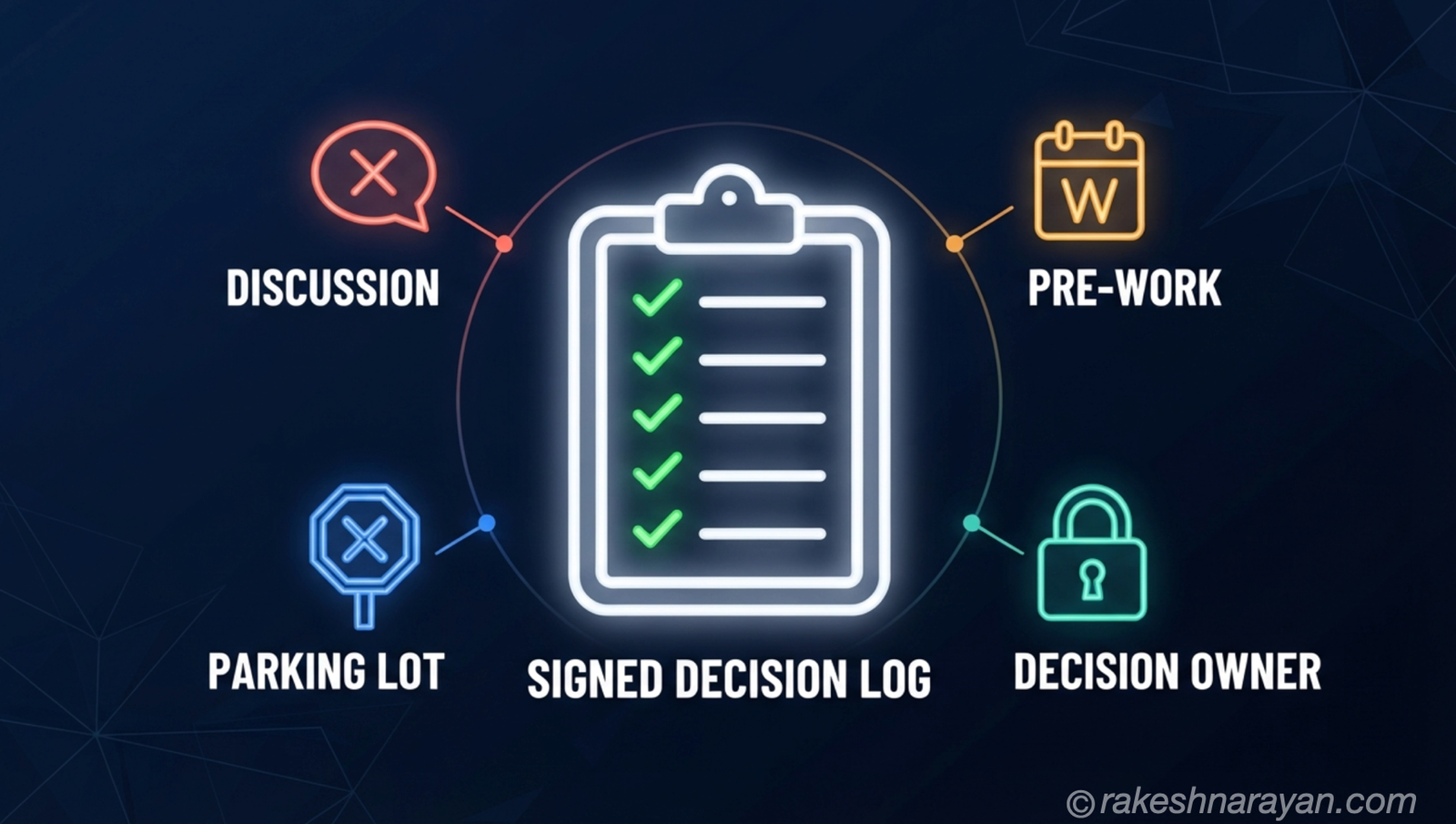
Most SAP discovery workshops produce a deck, not a decision. This post covers the pre-work, agenda structure and decision log that change that outcome for good.
No articles match your search.